
An opulent 72-room Italian Renaissance villa turned art museum.
2727 S Rockford Rd, Tulsa, OK 74114
Photographs and Words by:
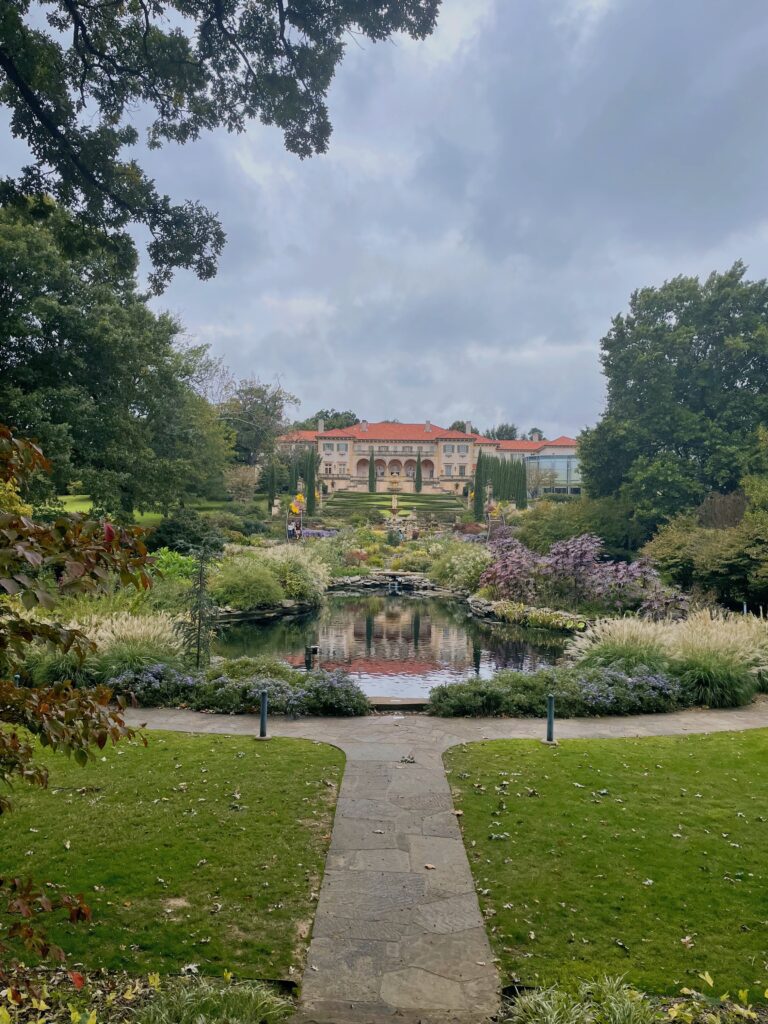
Named as “the most beautiful place in Oklahoma,” the Philbrook Art Museum in Tulsa, Oklahoma, is much more than an art museum. Once the lavish home of an oil tycoon, the estate offers a glimpse into Tulsa’s gilded past, blending opulent architecture, lavish gardens, and exceptional art collections into one unforgettable experience.
What many visitors may not realize is that Tulsa, Oklahoma, was once one of the nation’s most prosperous oil capitals. During the oil boom of the 1920s, immense fortunes transformed the city as newly wealthy oil barons spared no expense in showcasing their success. Their wealth reshaped Tulsa’s skyline and neighborhoods, leaving behind an extraordinary legacy of Art Deco architecture, grand commercial buildings, and opulent mansions. Today, the city boasts one of the largest concentrations of Art Deco buildings in the United States, while magnificent estates such as the Philbrook Museum stand as enduring reminders of the lavish lifestyles that defined Tulsa’s golden age.
The wealthy family of Waite Phillips and his wife, Genevieve, built Villa Philbrook in 1927 and eventually donated it to the Tulsa community in 1938. After many renovations over the years, the historic villa was officially designated an art museum in 1987.
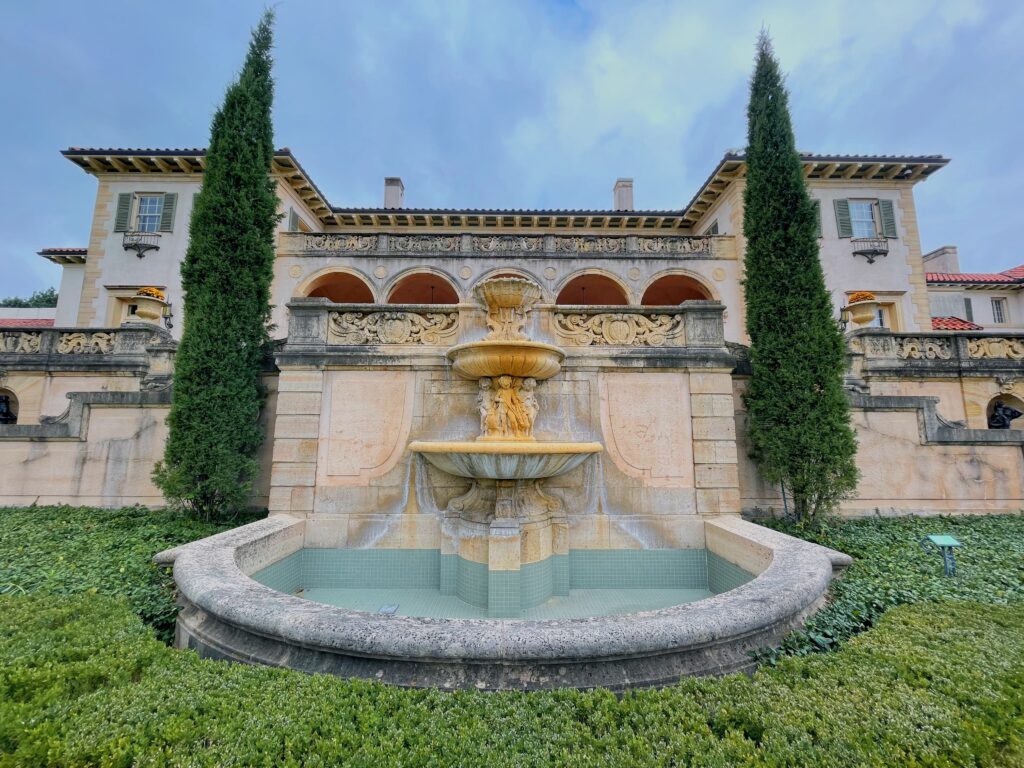
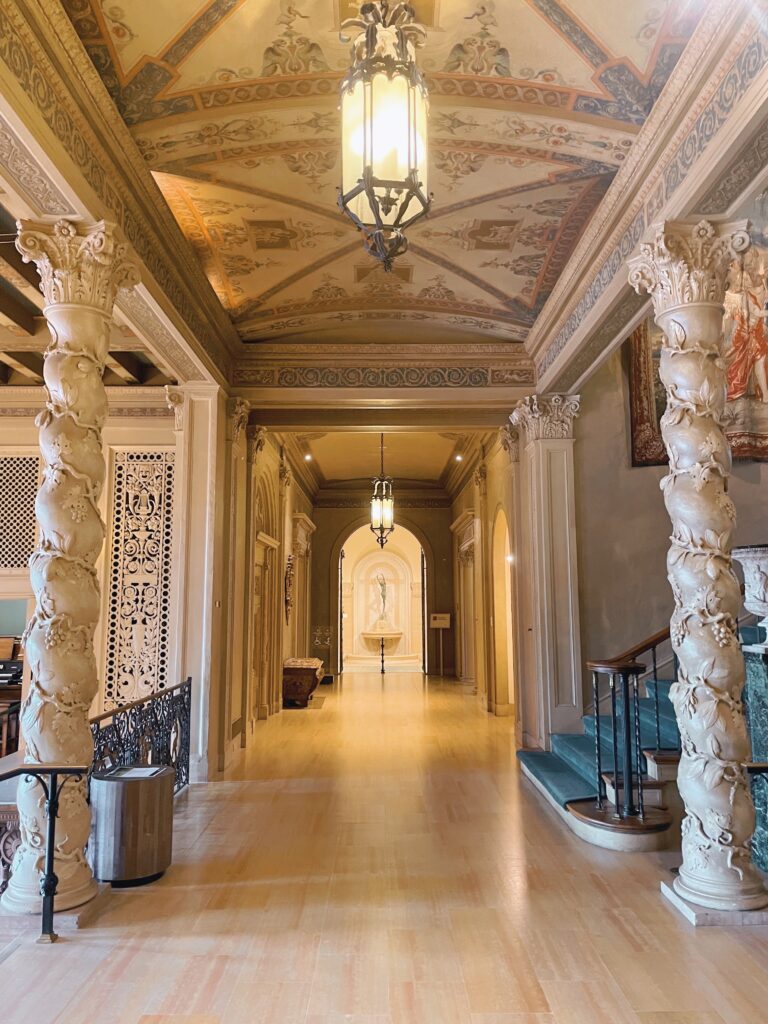
The 72-room Italian Renaissance-style mansion itself retains much of its decadence and grandeur to this day. The Philips family named Kansas City architect Edward Buehler Delk to design the villa, with extravagant interior details such as travertine and marble, fireplaces and fountains, intricate wood floors using teak, walnut, and oak, and ornate ceilings reminiscent of the Sistine Chapel. Even the villa’s exterior stucco mix included ground white marble chips to make the building shimmer on sunny days.
Every corner you turn, every staircase you climb, every room you enter, there is something new to be discovered. Works from well-known artists such as Georgia O’Keeffe, Thomas Moran, and Clyfford Still are represented in the museum’s permanent collection, as well as some of my favorite exhibits, including the Wedgwood porcelain home decor and the museum’s recent addition of 3,000 vintage photographs by 1930s Condé Nast photographer Lusha Nelson.
Outside, roughly 25 acres comprise the formal grounds and gardens, modeled after 16th-century Italian country estates such as Villa Lante. The immaculately manicured landscape features diagonal walkways, terraced steps, a stairstep fountain, and perfectly trimmed hedges that bring a sense of privacy to the gardens. At the center of the garden lies the temple pool and the Tempietto, where you’ll find the best view of the entire estate.