Bitterroot Valley Montana Travel Guide
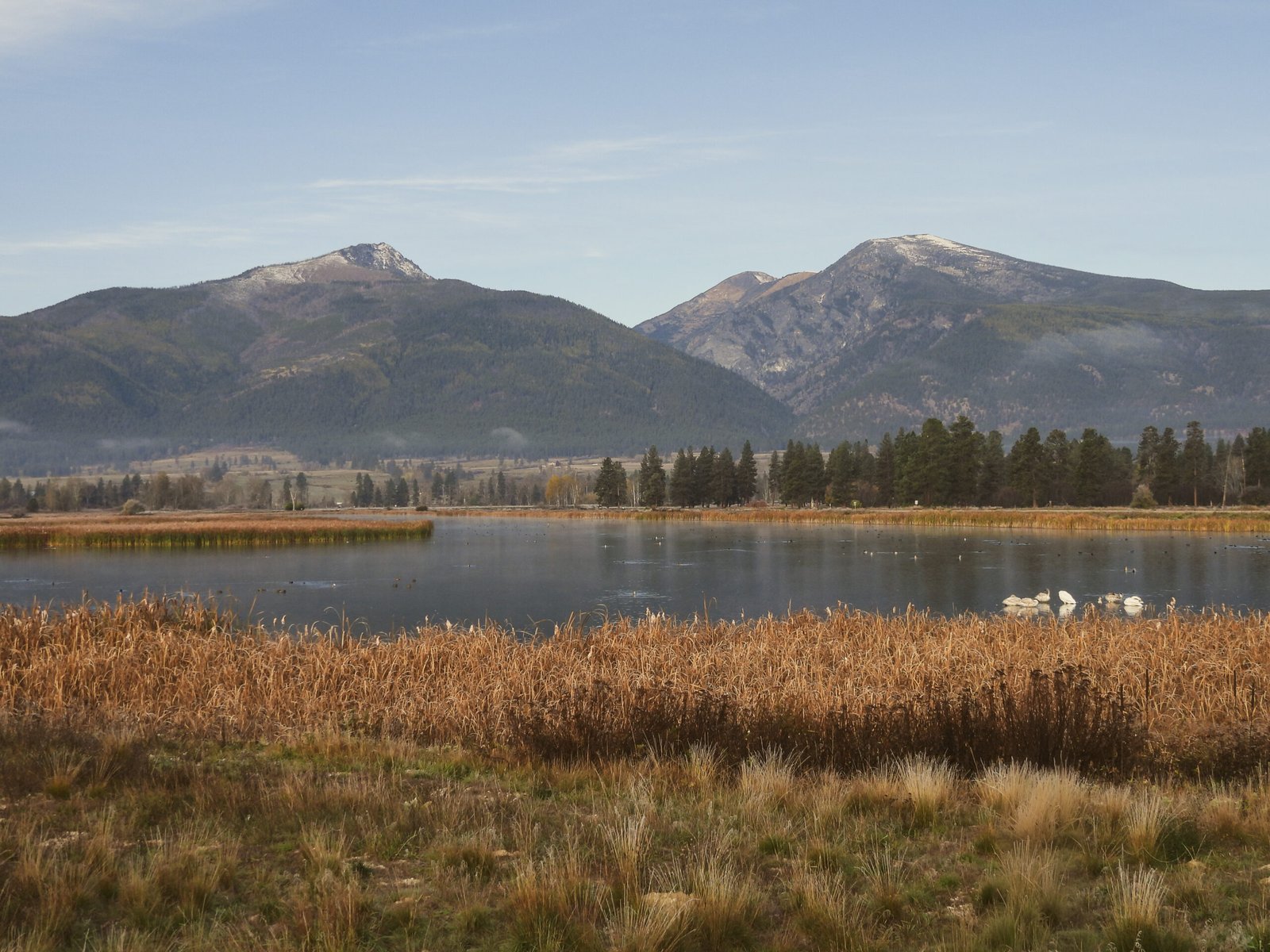
South of Missoula, Montana’s Bitterroot Valley invites travelers to slow down without missing a beat and explore historic landmarks, charming small towns, and miles of scenic views, all in the shadow of the valley’s namesake mountain range.
Montana’s Bitterroot Valley: Scenic Views, Small Towns, and Historic Stays
Photographs and Words by:
Bitterroot Valley Montana
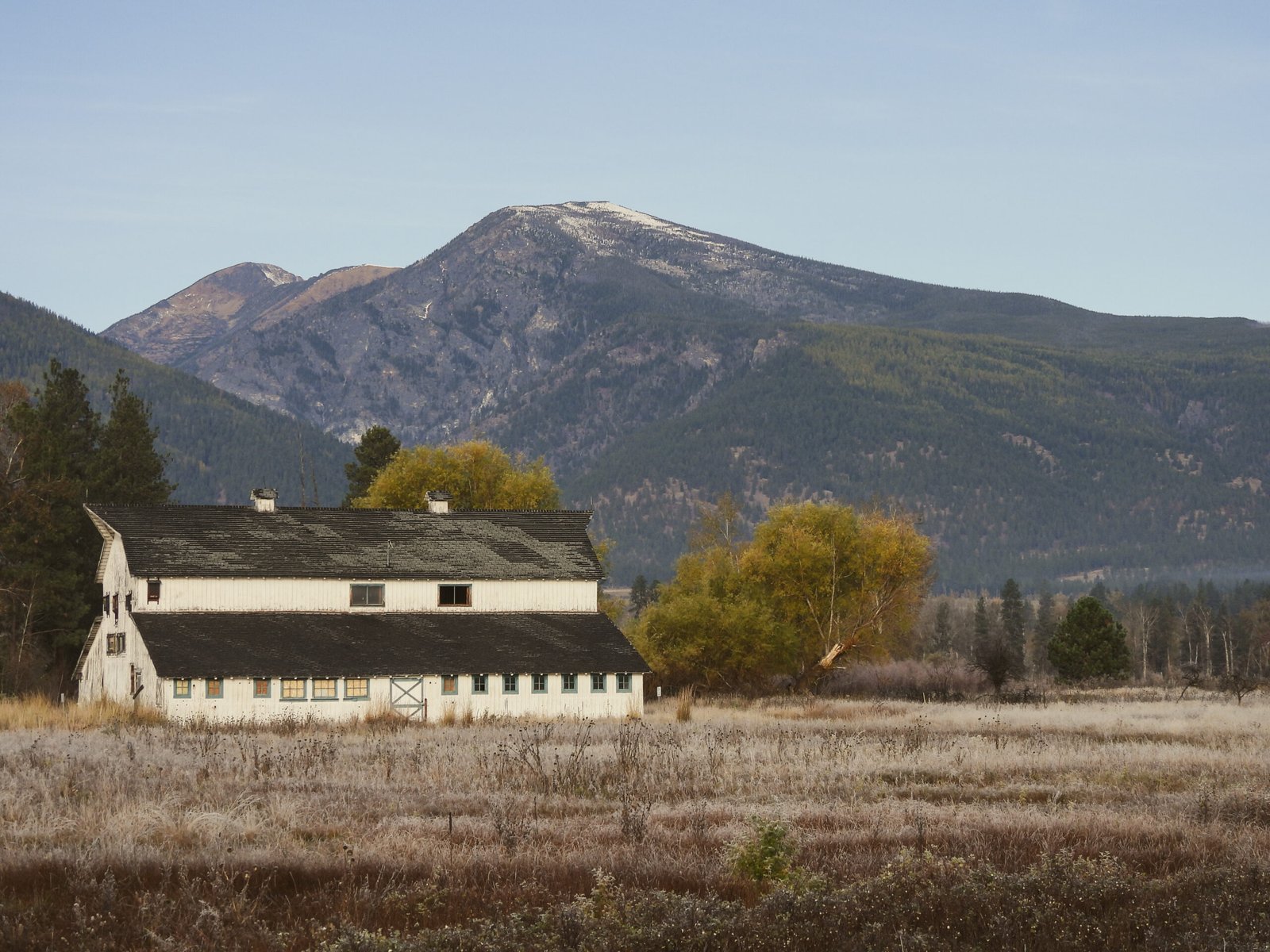
In the southwest corner of the state, Montana’s Bitterroot Valley follows U.S. Highway 93 for about 70 miles, starting just south of Missoula and ending just before the Idaho border. Although the majority of the wildly popular Yellowstone television series was filmed in the valley, the ‘Root, as it’s known to locals, is often overlooked when planning a Montana trip, forsaken for the touristy areas around Bozeman and the gateway towns of Glacier and Yellowstone National Parks.
Visitors who do make the effort to visit the Bitterroot Valley will be rewarded with historic landmarks, small towns blissfully free of chain restaurants and hotels, and miles of open space, all in the shadow of the valley’s namesake mountain range.
Things to Do in the Bitterroot Valley
Tour the valley’s historical sites
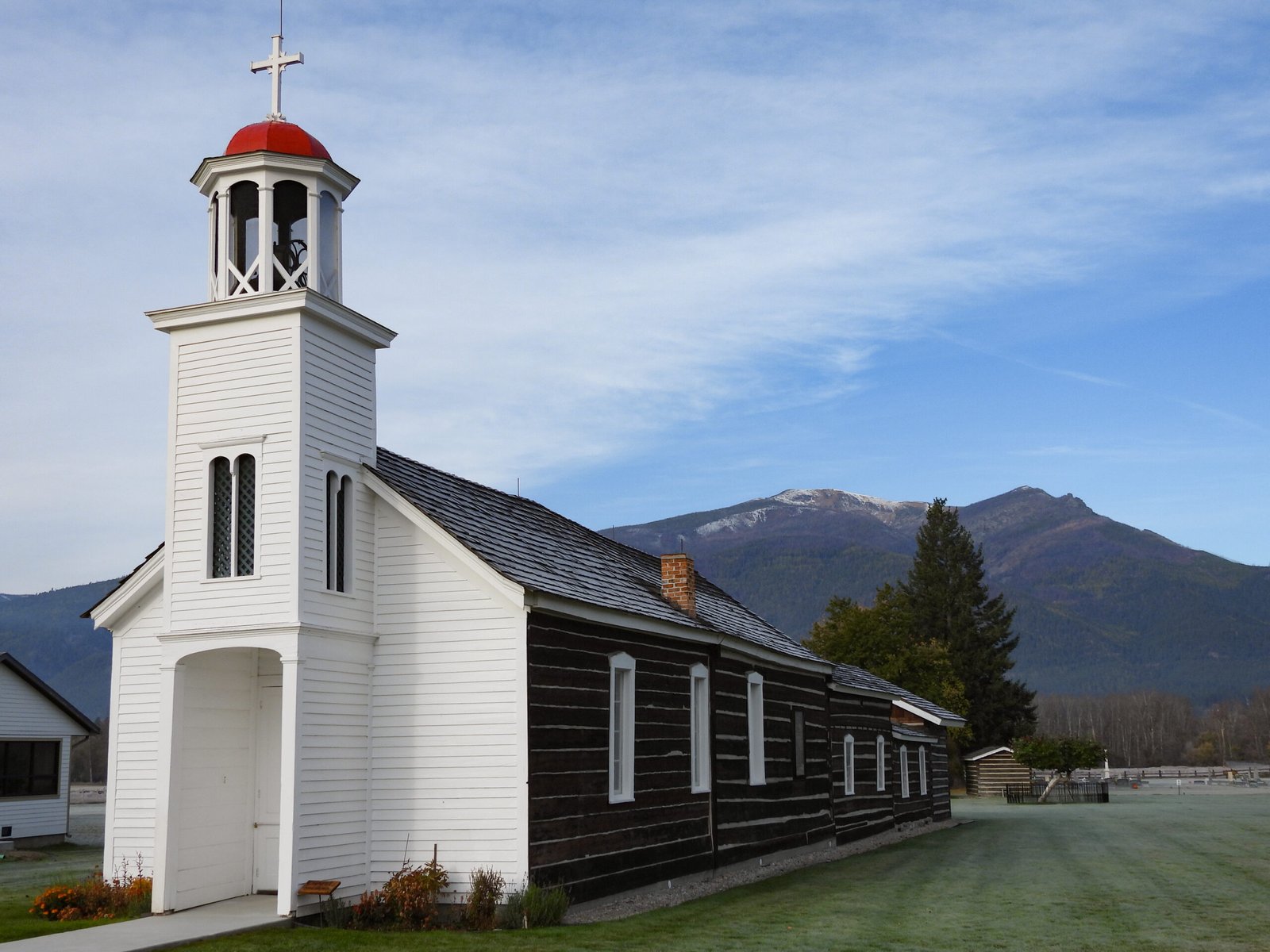
The Bitterroot Valley is steeped in history, beginning with the Indigenous people who have called this land home for centuries. In 1805, the Lewis and Clark Expedition traveled the length of the valley and barely survived a harrowing crossing of the Bitterroot Mountains. The tiny town of Stevensville is known as “the place where Montana began” as it is home to the state’s first permanent white settlement, harkening back to 1841.
Travelers’ Rest State Park in Lolo is a mecca for Corps of Discovery devotees as it is the only archeologically verified campsite of the Lewis and Clark Expedition in the nation. While that designation is the main reason for Travelers’ Rest’s existence, park personnel do an amazing job of recognizing that the valley also lies within the traditional homelands of the Salish peoples.
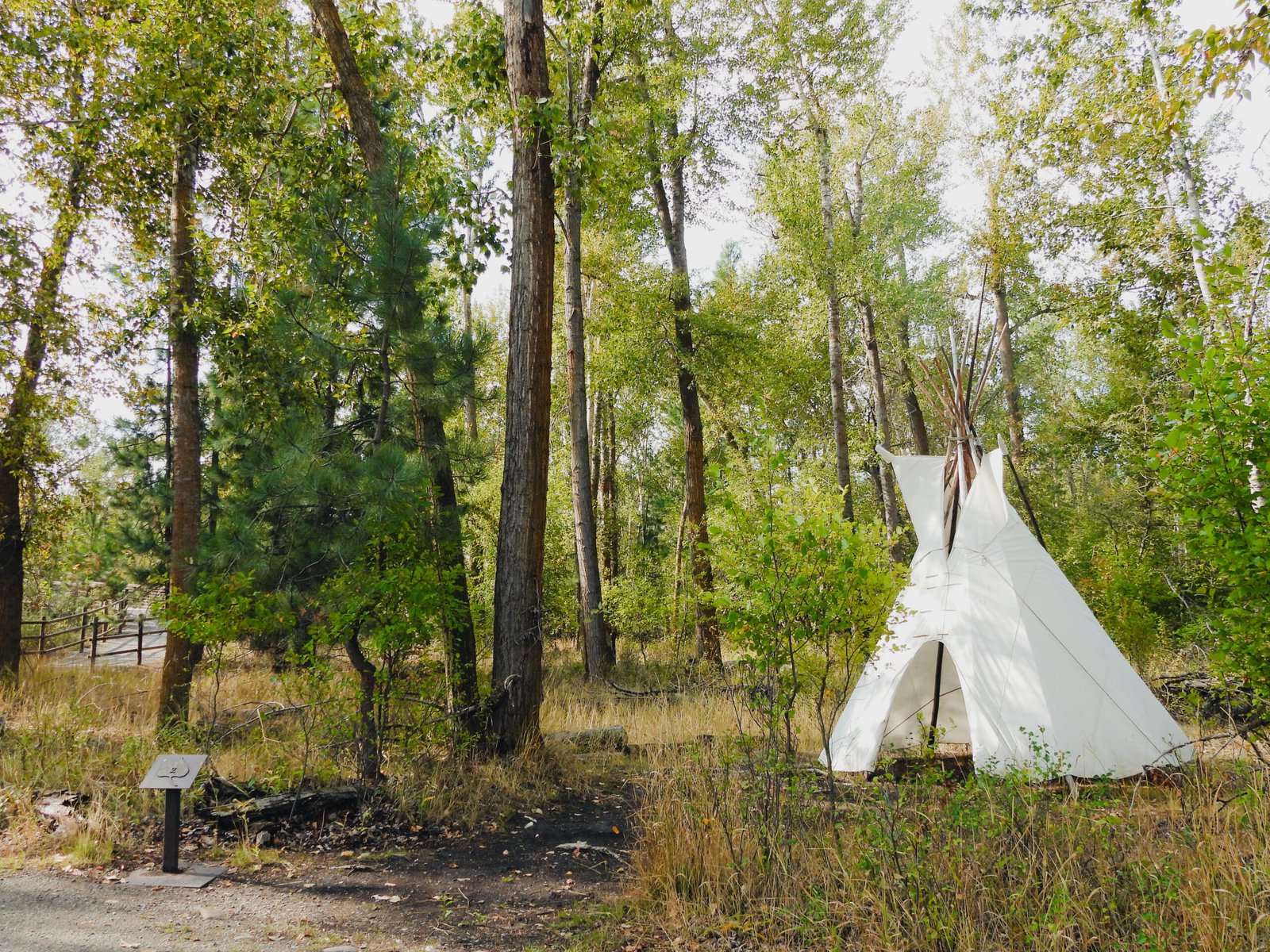
Start your visit at the museum where exhibits weave together stories of the Salish people with the timeline of the Corps of Discovery’s passage. Outside, follow the interpretive loop trail encircling the expedition’s historic campsite. The most notable stop is the latrine, which is now just an empty spot of dirt among the trees. Learn how archaeologists determined that the Mercury-laced soil was a result of expedition members utilizing Dr. Benjamin Rush’s Bilious Pills, dubbed “Rush’s Thunderbolts”, an infamous cure for a range of ailments with the unfortunate side effect of instant diarrhea.
More recent history is celebrated at the Daly Mansion in Hamilton. Marcus Daly made his fortune in the mining industry and rose to prominence as one of Montana’s famous Copper Kings. Daly and his wife, Margaret, purchased a farmhouse in Hamilton in the late 1800s as a retreat from the raucous mining city of Butte. Following her husband’s death in 1900, Margaret resided in the home seasonally and hired famed architect A.J. Gibson to remodel what eventually became the 24,000-square-foot Daly Mansion.
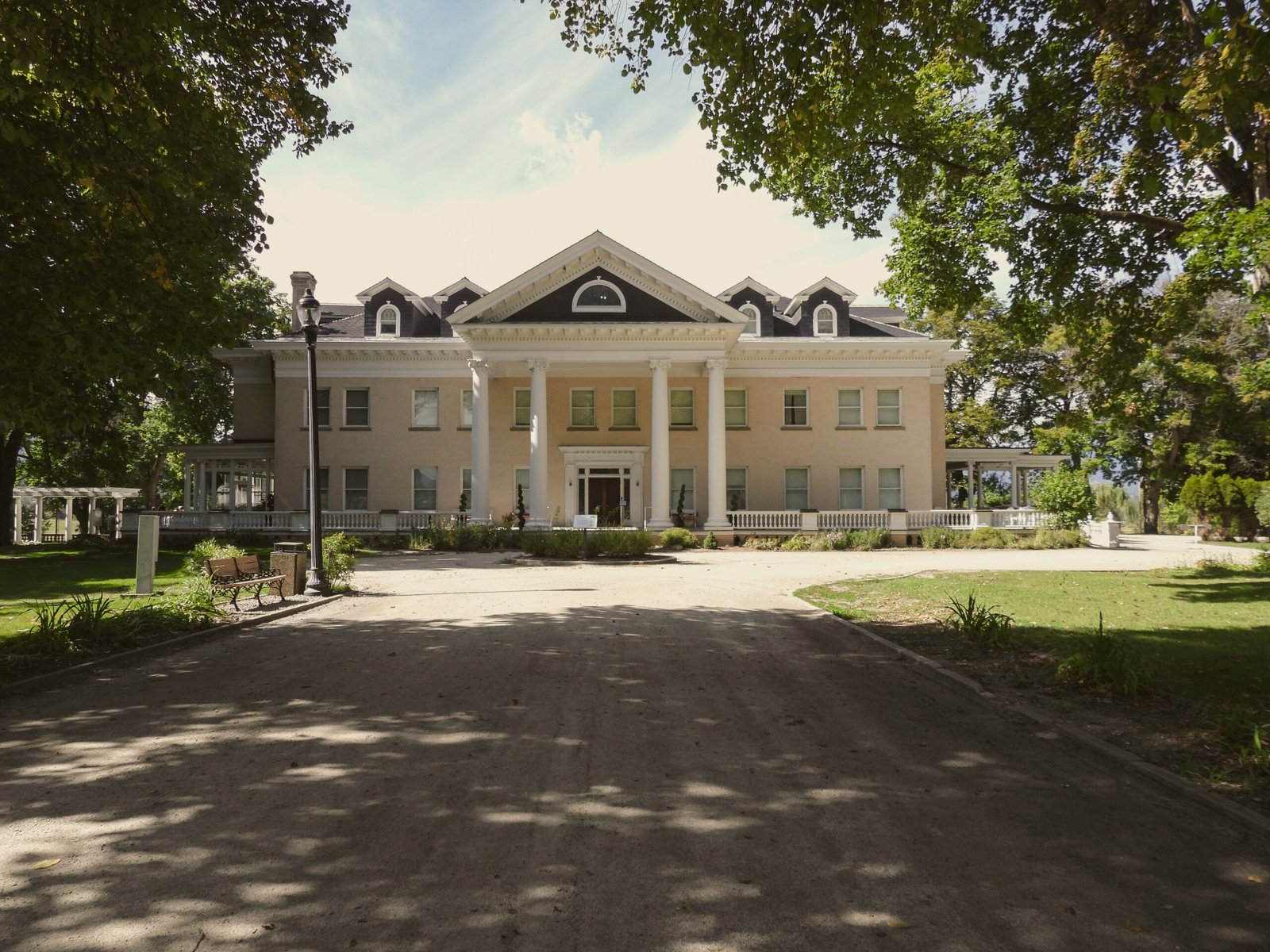
Self-guided and guided tours of the mansion are offered throughout much of the year, showcasing original furnishings in the 25 bedrooms and 15 bathrooms. Seasonal events include candlelight tours in October and Festival of Trees in December. If visiting in the summer, spend time outside strolling the lush grounds and gardens under the shade of over 400 trees.
Small town strolls
Several small communities dot the map of the Bitterroot Valley from Lolo in the north to Darby in the south. Some towns offer a handful of services, from restaurants to general stores, while others entice visitors to stroll their quaint main streets and shop at locally owned establishments.
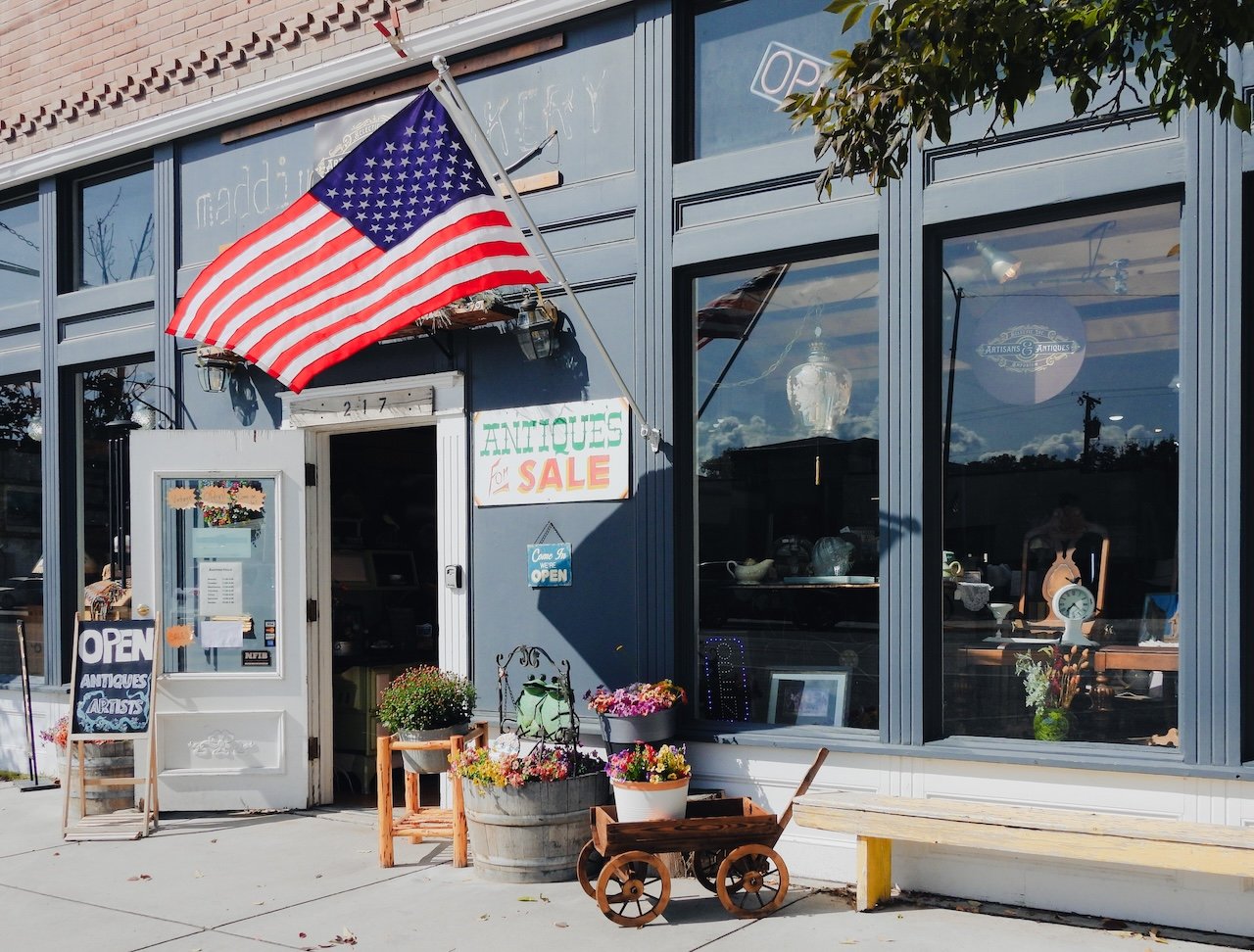
Hamilton is the largest town in the Bitterroot Valley with a population that hovers around 5,000 souls. Bypass the few fast-food restaurants and chain hotels lining the highway and head toward Hamilton’s charming downtown. Choose your next read at Chapter One Book Store with a range of first-run selections and a focus on Montana and Indigenous writers. Indulge in hand-made confections at Big Sky Candy. Support local artists, attend a poetry reading, and create your own treasure at the Explore the ARTS community center.


Stevensville has half the population of Hamilton, but rivals the larger town in opportunities for retail therapy. Bitterroot Buzz Bees celebrates the insects pollinating the valley’s wildflowers, selling a variety of honey-based products from garlic-infused honey to beeswax candles. Fit in with the locals with a Stetson adorned with custom-made accessories at The Hat Edit millinery. Shop for jewelry and home accents crafted by local artisans at Burning Sage Studio. Antiquers will find outlets for their passions at An Eclectic Emporium and the jam-packed Creamery Antiques Mall.
Hiking, biking, and birding in the Bitterroot Valley
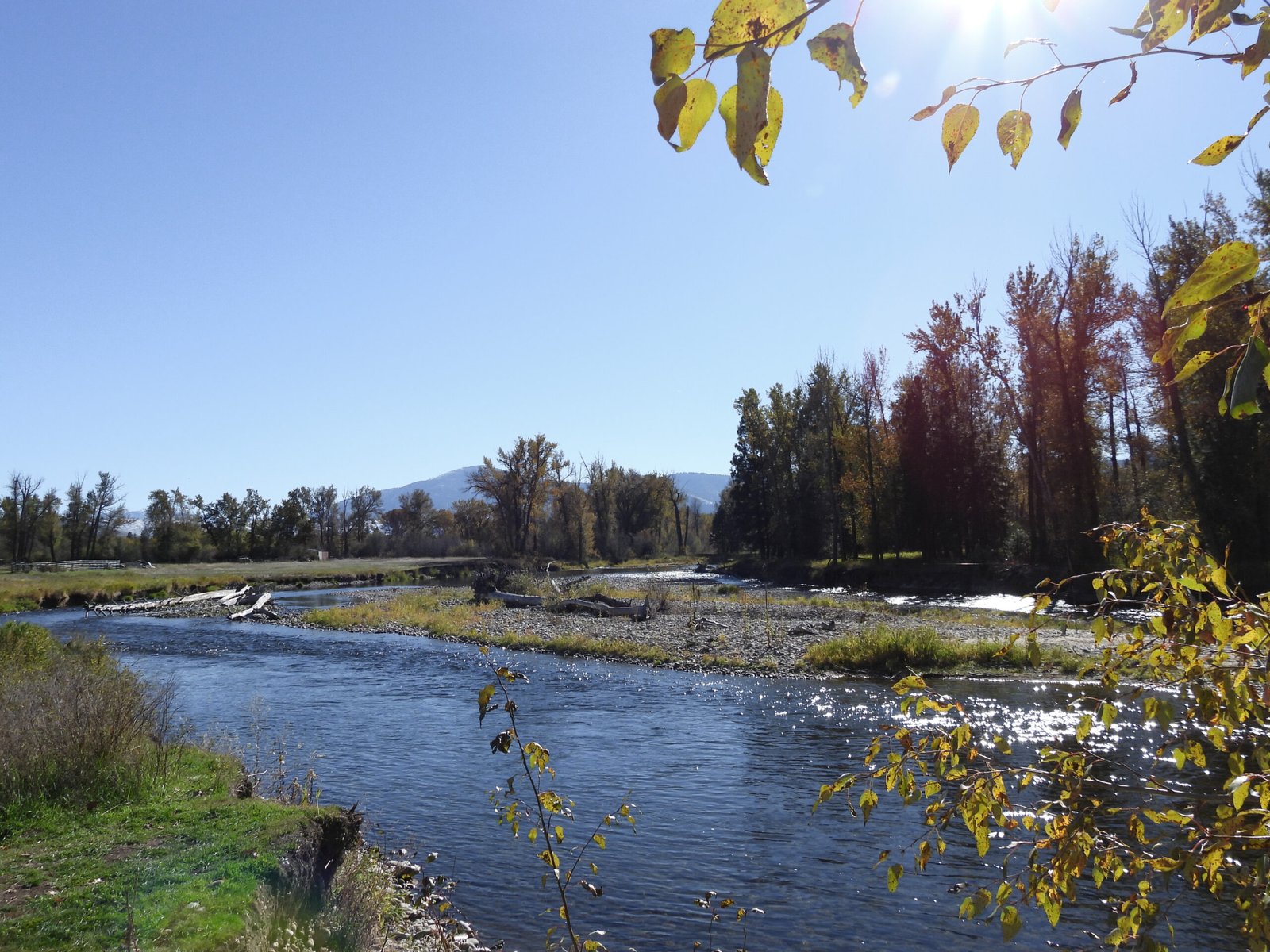
The Bitterroot Valley offers visitors plenty of outdoor recreation, from fishing and floating the Bitterroot River to exploring the Bitterroot Mountains.
A number of trails start just a few miles west of Hwy 93 and lead deep into the backcountry of the Bitterroot Mountains. Hikers looking for a challenge can tackle the fairly brief but steep climb to the top of St. Mary Peak. The trail starts west of Stevensville and runs a little over 3.5 miles with a 2,500-foot elevation gain. A historic fire tower sits atop the 9,350-foot-tall mountain, offering stunning views of the valley below.
No need to worry if you prefer relatively level trails. West of Victor, Sweathouse Creek Trail leads into a forest of aspens and pines, culminating at Sweathouse Falls in 2.5 miles. As the name suggests, Kootenai Creek Trail follows its rushing namesake stream. The rocky trail undulates, rising high above the water in places and skimming the sandy streambanks in others.
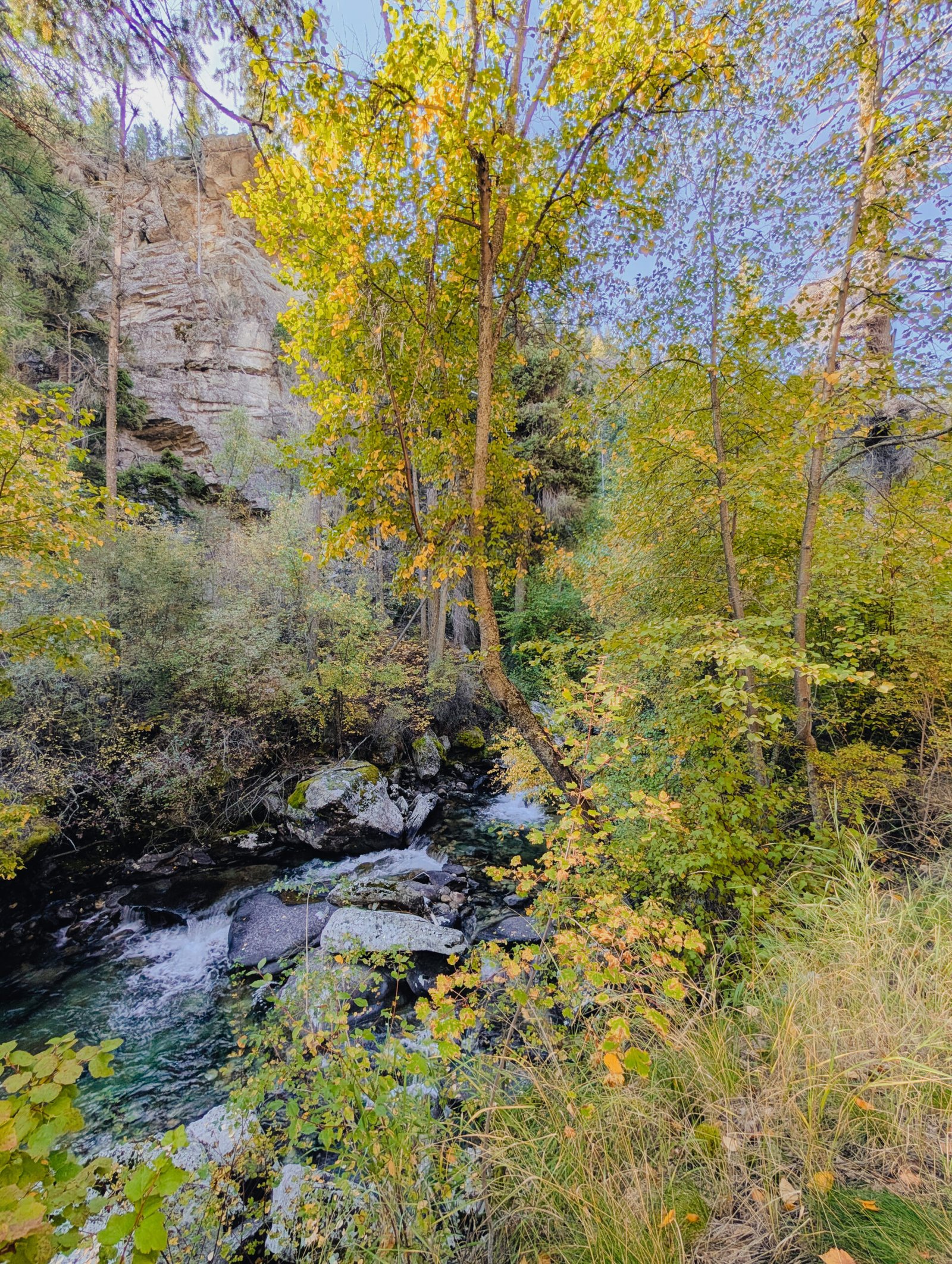
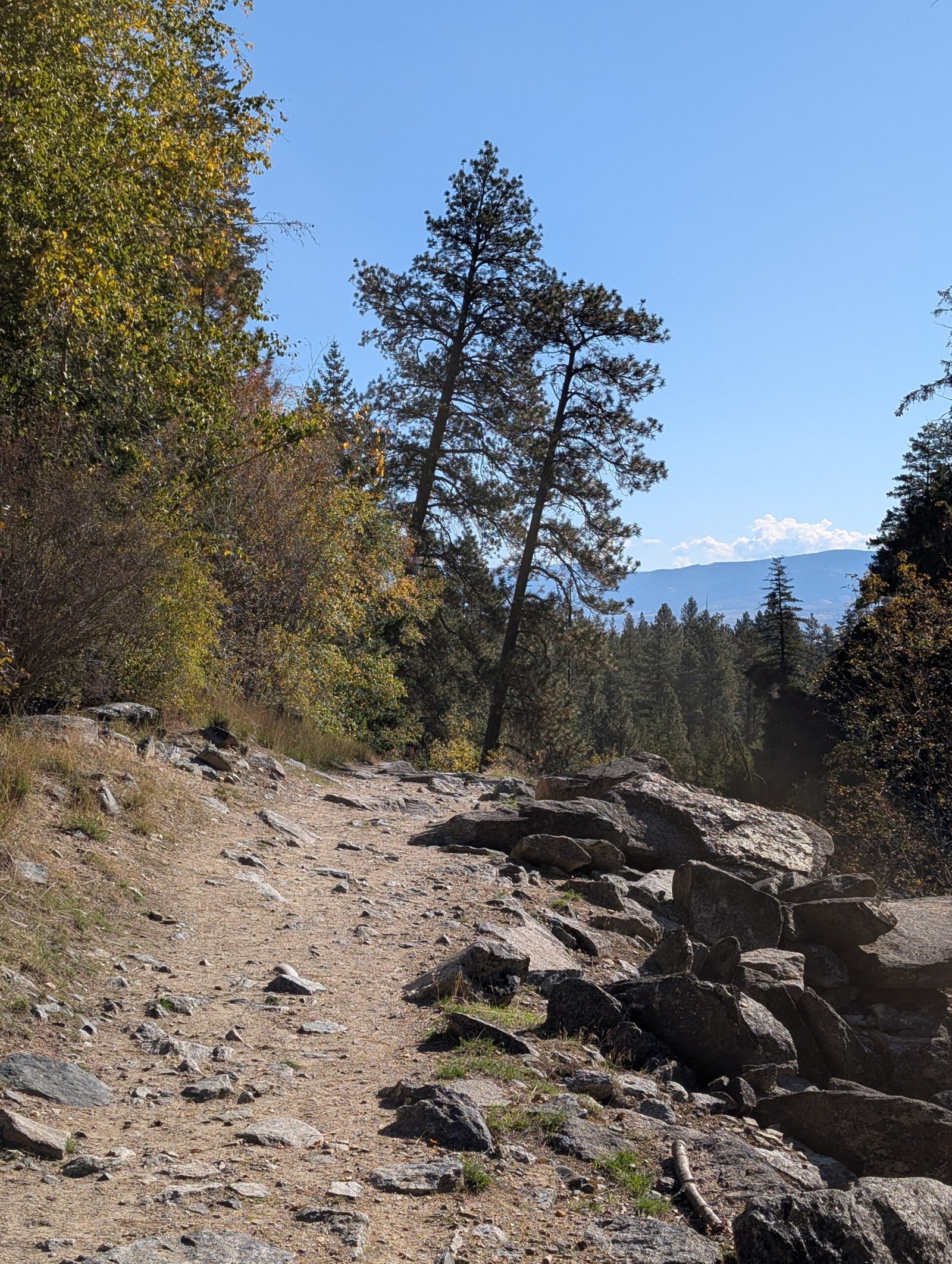
Exchange two feet for two wheels along the Bitterroot Trail, a 50-mile paved trail that connects Missoula to Hamilton. The fairly level route parallels the highway, making it easy to hop off and cycle into the town of your choice. You can rent bikes at a handful of locations in Missoula if needed.
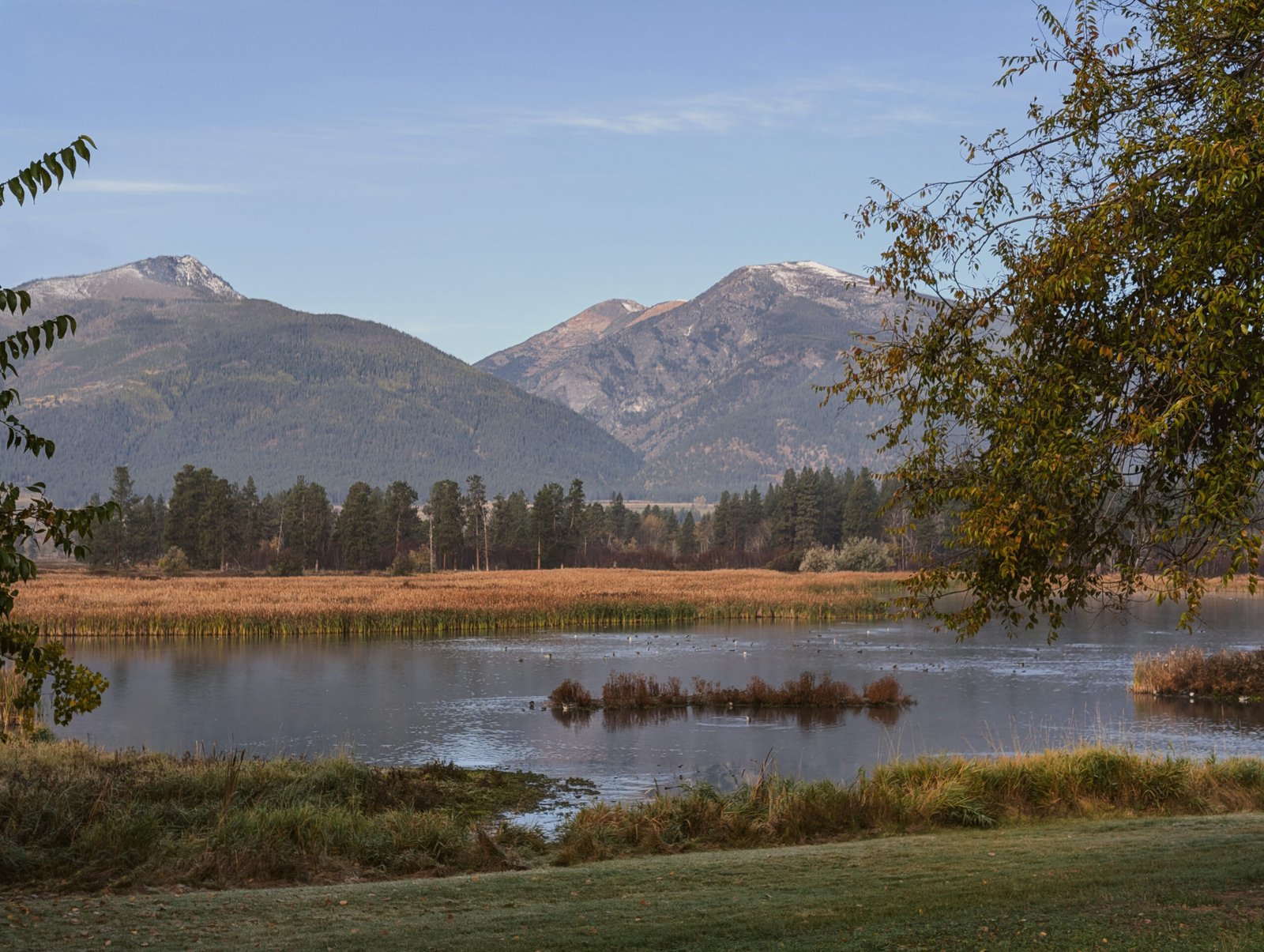
Birders will delight in roaming Lee Metcalf National Wildlife Refuge. The 2,800-acre refuge on the outskirts of Stevensville boasts forests, meadows, marshes, and riparian areas that attract a staggering and diverse number of year-round and migrating bird species. Follow the forested path leading to the Bitterroot River to look and listen for pine siskin, pygmy nuthatch, and the colorful Lewis’s woodpecker. On the opposite side of the refuge, the Kenai Nature Trail overlooks ponds where trumpeter swans, northern shovelers, and hooded mergansers feed just below the surface.
Where to eat and drink in the Bitterroot Valley
Hamilton satisfies your appetite from sunup to sundown. Enjoy a fresh-from-the-oven cinnamon roll or a plate stacked with cranberry walnut French toast at Red Rooster Artisan Bakery. Although famous for its beer, Bitter Root Brewing serves up salads, wings, and hearty yet healthy grain bowls. New additions to town include Ember and Grano, a high-end steakhouse and an Italian restaurant, respectively, both owned by James Beard Award semifinalist and Top Chef contestant Brandon Dearden.
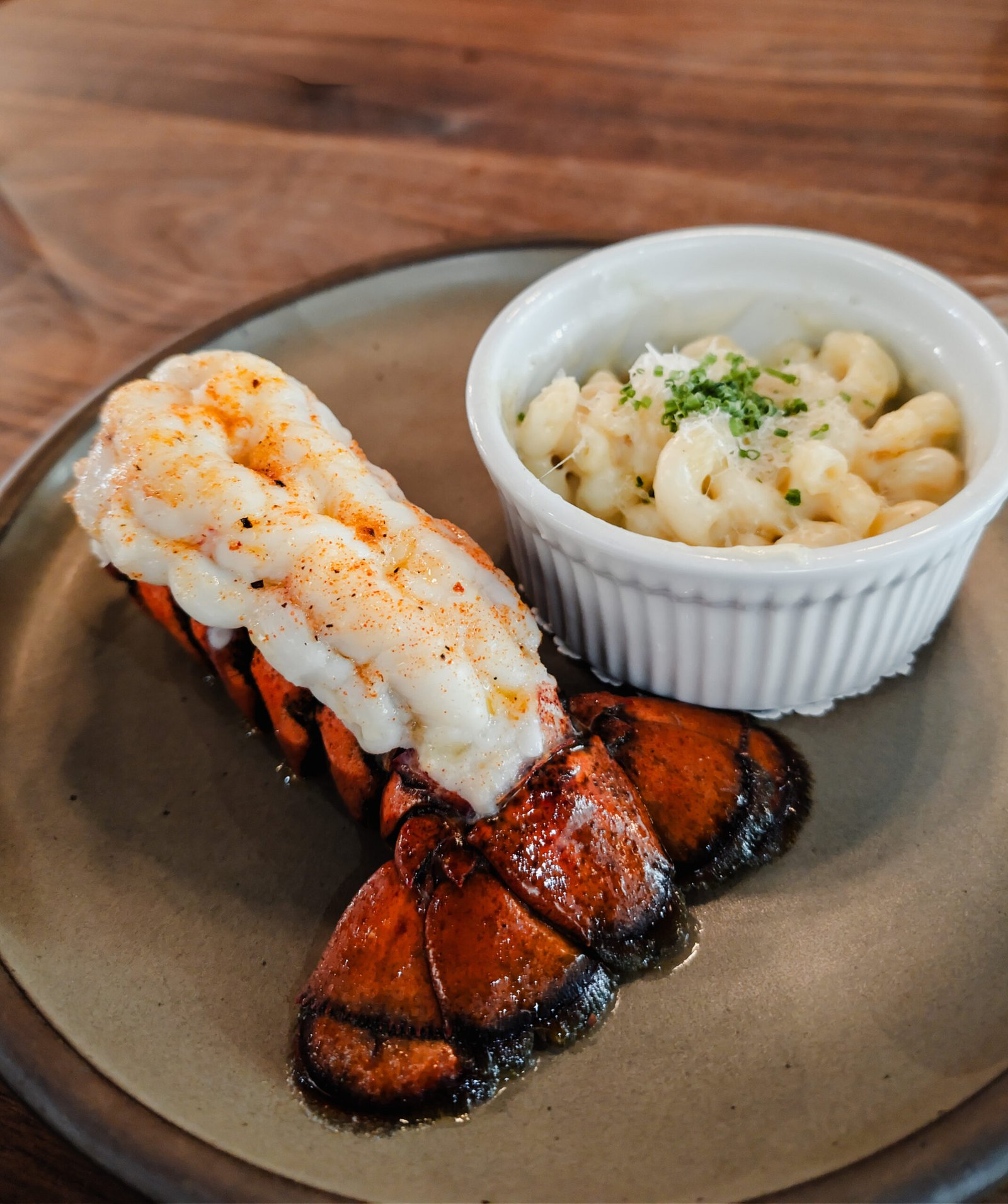
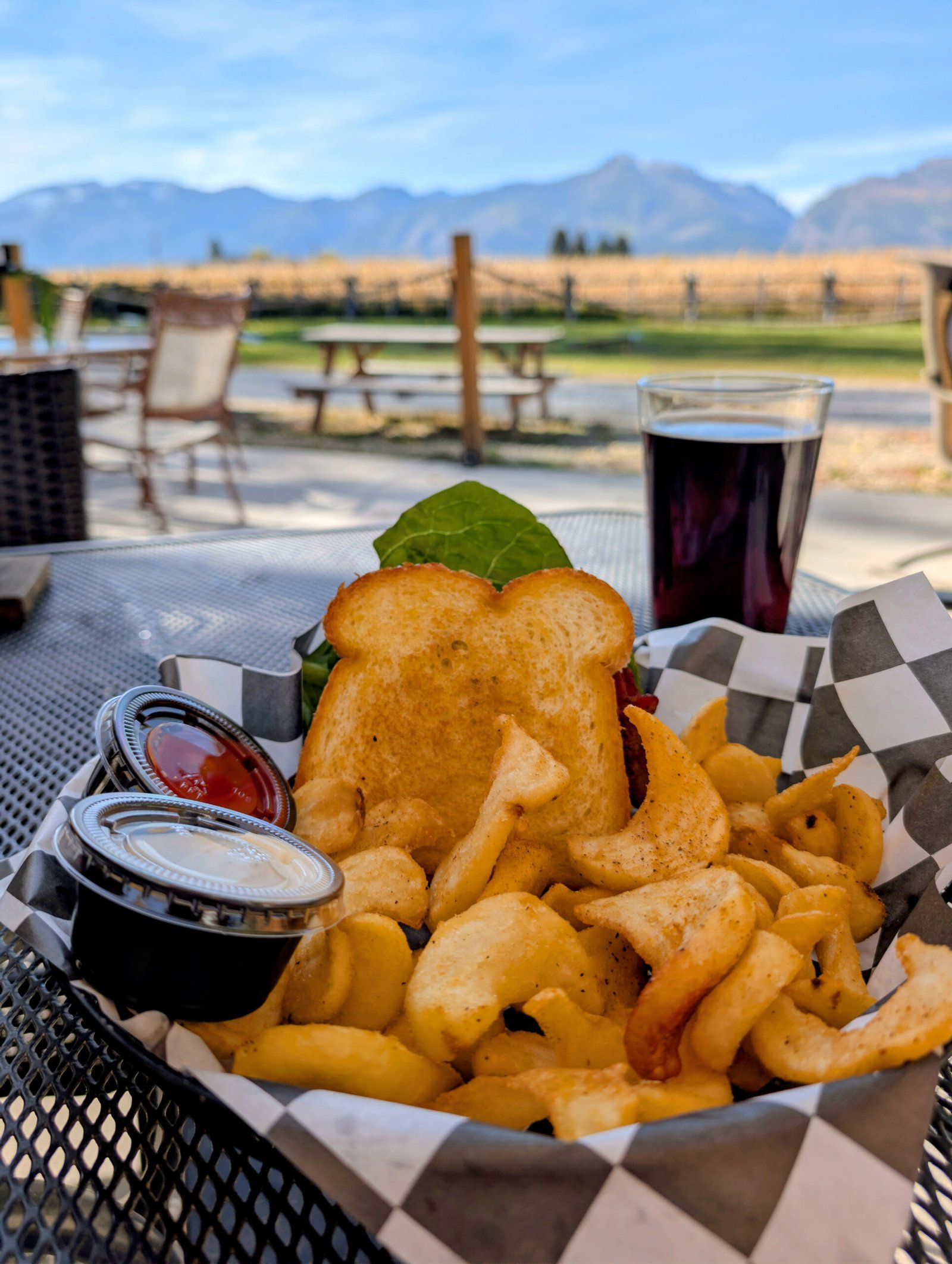
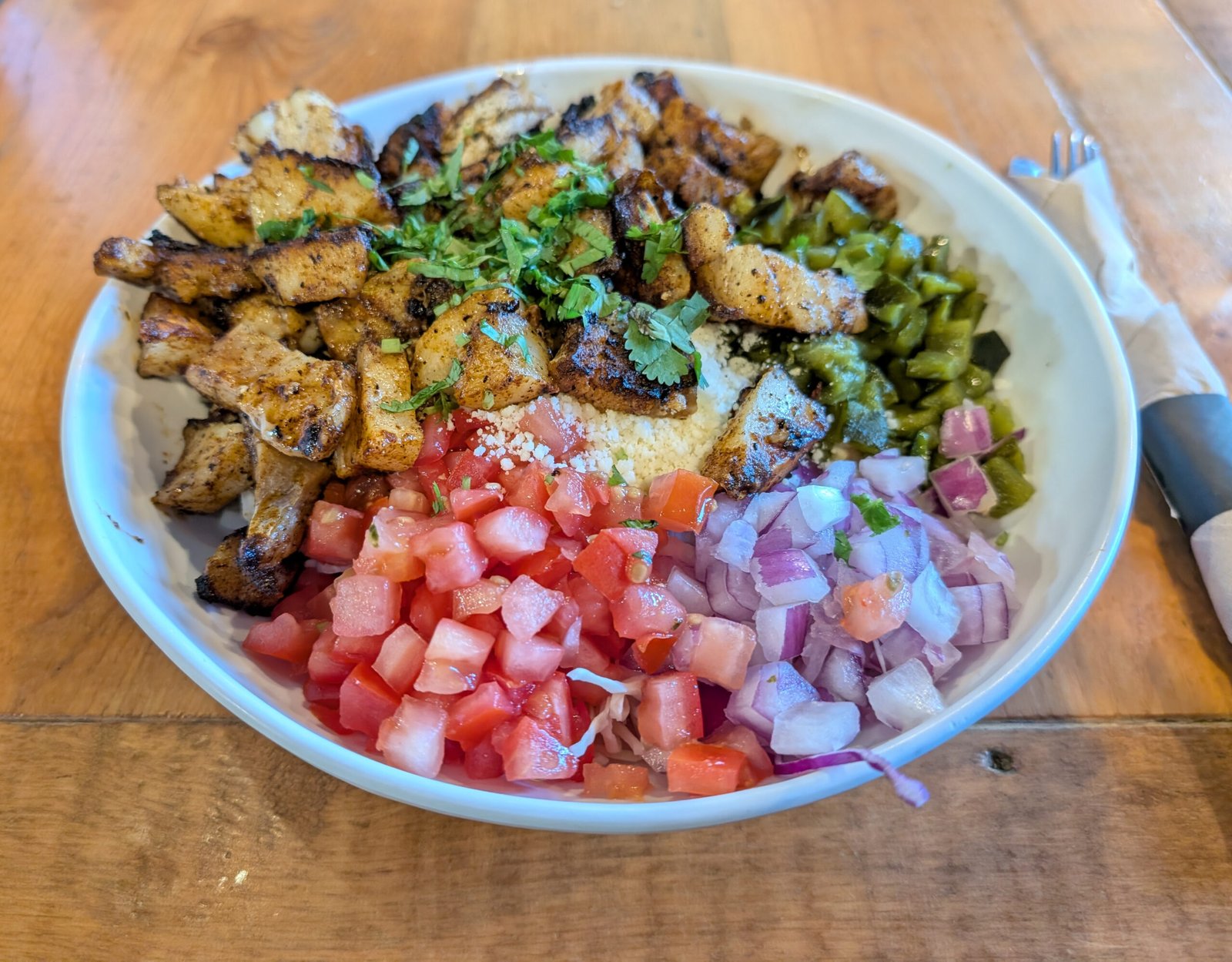
The Wild Mare in Corvallis is a beloved local favorite. The menu features a variety of steak, fish, and vegetarian dishes, including grilled salmon with a bourbon glaze and wild mushroom risotto. Save room for their housemade desserts, from huckleberry cheesecake to chocolate truffles.
While not everyone is thrilled about the fame Yellowstone brought to the valley, Glen’s Café in Florence is happy to embrace it, as the diner was featured in an episode of the series. Fans of the show will want to order the Yellowstone Salisbury Steak with mashed potatoes slathered in rich brown gravy.
Local ingenuity and the bounty of the Bitterroot combine at numerous craft breweries dotting the valley. Stevensville alone boasts two of them. A community hub, Blacksmith Brewing Company pours signature brews such as Brickhouse Blonde and Love & Patience, an amber ale infused with spices and tart cherry puree. Wildwood Brewing is justifiably proud of its zero-emissions sustainable operation. Their 100% organic beers include Mystical Stout and the smooth yet powerful Bodacious Bock.
Can’t decide? Sample all the diverse offerings at Fin’s Tap House in Corvallis. Their extensive beer list includes craft beers brewed in the valley and throughout Montana, along with a full food menu. Head to their outdoor seating area to enjoy a pint, a burger, and stellar views of the Bitterroot Mountains.
Where to stay in the Bitterroot Valley
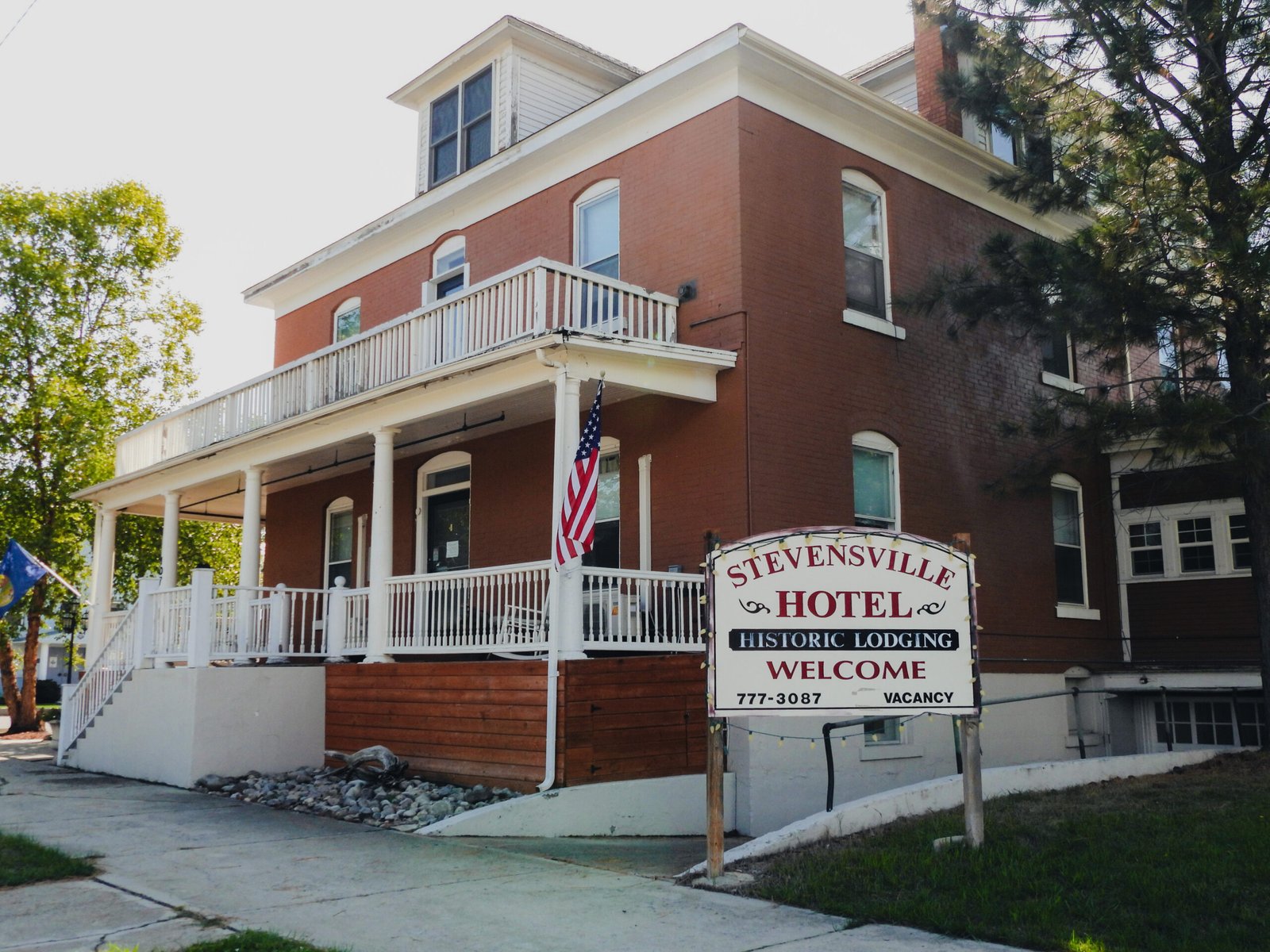
One of the more unique stays in the Bitterroot Valley is found at the historic Stevensville Hotel. Listed on the National Register of Historic Places, the hotel is located in an old hospital with rooms that reflect the hospital’s history, from Dr. Rennick to the Old Surgery suite. That may sound a bit creepy, but the hotel is quite comfortable, and you can’t beat the location just steps from the shops and restaurants along Main Street.
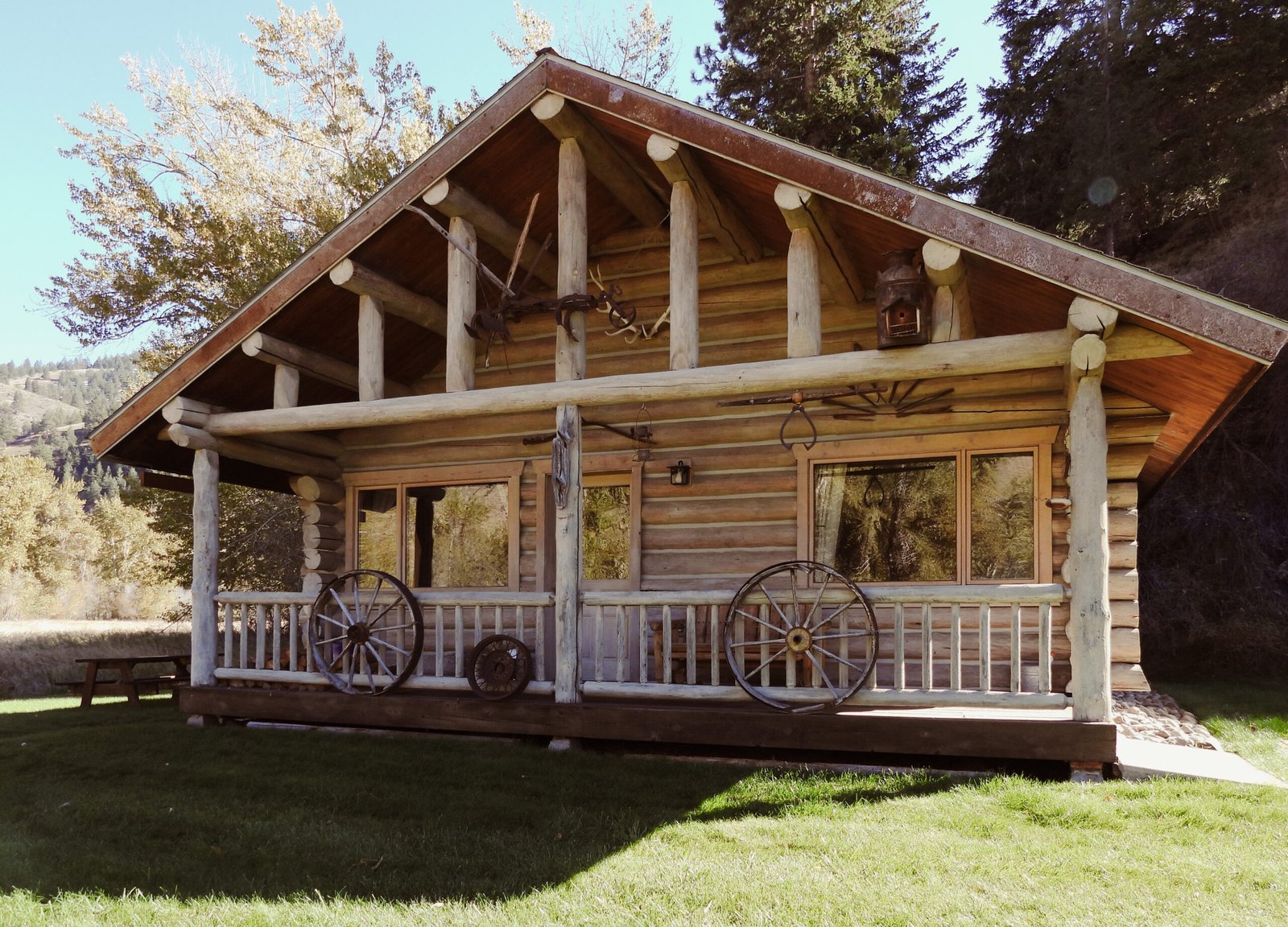
At the other end of the spectrum, in the valley, Rye Creek Lodge offers an isolated, quiet retreat south of Darby. Five luxury cabins are scattered across the sprawling property, guaranteeing a private, restful stay. Each cabin features a full kitchen, plenty of comfy seating, and a fireplace to help you nestle into the warm embrace of the Bitterroot Valley.
Frequently Asked Questions About Montana’s Bitterroot Valley
Where is the Bitterroot Valley in Montana?
The Bitterroot Valley is in western Montana, south of Missoula. U.S. Highway 93 runs north-south through the valley, with the Bitterroot Mountains to the west and the Sapphire Mountains to the east.
What small towns are in the Bitterroot Valley?
Bitterroot Valley communities include Lolo, Florence, Stevensville, Victor, Corvallis, Hamilton, Darby, Conner, and Sula. Hamilton is the valley’s main commercial hub, while Stevensville offers a walkable downtown and access to nearby historic sites.
What are some things to do in the Bitterroot Valley?
Visit Travelers’ Rest State Park in Lolo, tour the Daly Mansion in Hamilton, browse downtown Stevensville, or watch birds at Lee Metcalf National Wildlife Refuge. Outdoor options include hiking mountain trails, cycling the Bitterroot Trail, and fishing the Bitterroot River.
How many days should you spend in the Bitterroot Valley?
Allow two to three days for a first visit focused on small towns, historic sites, and a hike or bike ride. This suggested pace leaves time to browse shops and stop for meals without rushing between attractions. Add more days if fishing or longer mountain hikes are central to your trip.
Where should you stay in the Bitterroot Valley?
Choose your base around the experience you want. Hamilton suits an itinerary centered on shops, restaurants, and the Daly Mansion. The historic Stevensville Hotel puts you near Stevensville’s Main Street, while Rye Creek Lodge south of Darby offers a more secluded cabin stay.
Was Yellowstone filmed in the Bitterroot Valley?
Yes. Chief Joseph Ranch near Darby serves as the Dutton family ranch in the television series Yellowstone. It is a working ranch and private property. According to the ranch’s published policy, tours are not available without a cabin reservation; check its official website for current booking and access information.
For more information on the Bitterroot Valley, visit visitbitterrootvalley.com.