
Greenland, in terms of size, is one of the biggest places on earth, yet there are many who know very little about the world’s largest island. One of the world’s most mysterious destinations, Greenland captivates with its stark natural beauty, resilient communities, and otherworldly wildlife. For many travelers, it remains a mystery at the edge of the map—and it’s precisely that sense of the unknown that continues to lure the curious and the intrepid north.
During a recent trip cruising along Greenland’s western coast with HX Expeditions, I quickly realized there was so much about this remote island I didn’t know. Here are a few fun facts about Greenland I learned during my trip—some of which surprised me.
Greenland is the world’s largest island
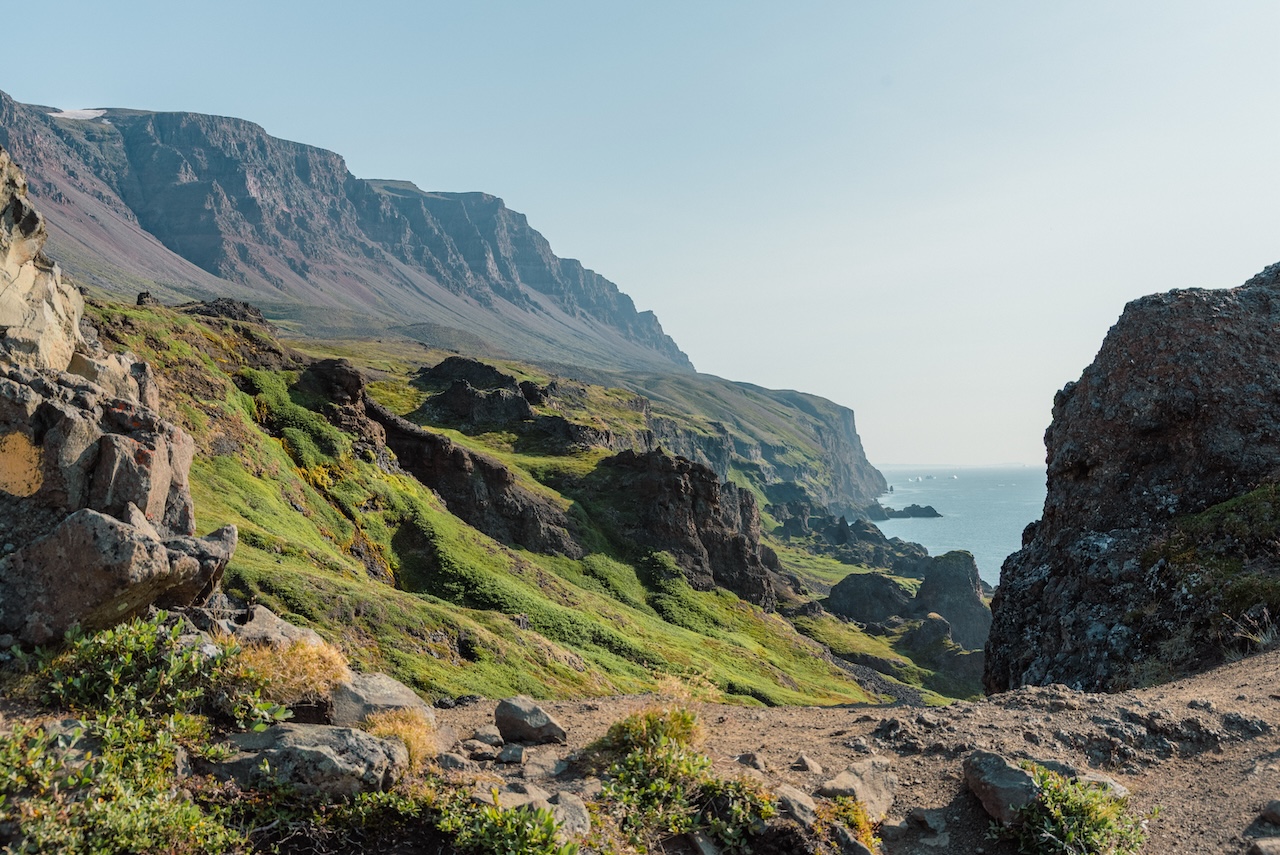
Greenland, the world’s largest island, covers approximately 836,000 square miles and is encircled by more than 100 smaller islands, many clustered into archipelagos. One of these is Disko Island—the largest island off Greenland’s coast—home to the town of Qeqertarsuaq, also known as Godhavn, which sits along its southern shore.
Greenland is not a continent
Believe it or not, Greenland is not a continent—a common mistake made by many. Technically, it is an autonomous territory, not a country, within the Kingdom of Denmark. And yet, it is still considered part of North America.
Whale blubber is a common food item

Because vegetation is limited on the island, most of the population relies on food sources from the Arctic’s wildlife. In fact, whale blubber, a delicacy called mattak, is a common source of vitamins C and D. A traditional Greenlandic plate, called Kalaalimernit—also referred to as ‘Greenlandic Tapas’—highlights the main foods Greenlandic people eat and have year-round access to. The dish typically includes eating chunks of whale blubber, smoked Musk Ox, Reindeer (or Caribou), smoked Cod, and seal meat. This was my introductory meal on my first night in Nuuk, and I have to say, whale blubber isn’t my thing, but I enjoyed the smoked Ox and cod.
Greenland is home to the world’s tiniest tree
One of the first things I noticed when I arrived in Nuuk on my first day of the cruise was that there were no trees. Not that I expected any to be growing, but it was surreal walking around with no shade from trees and little to no vegetation. Because Greenland’s ice cap began retreating only about 7,000 years ago, its plant life is relatively young, making it the youngest ecosystem on Earth. As a result, tall trees never had time to take root. Instead, Greenland is home to the smallest tree in the world—the dwarf willow—which hugs the ground and grows just a few inches high.
There are over 500 species of flowers found on Greenland
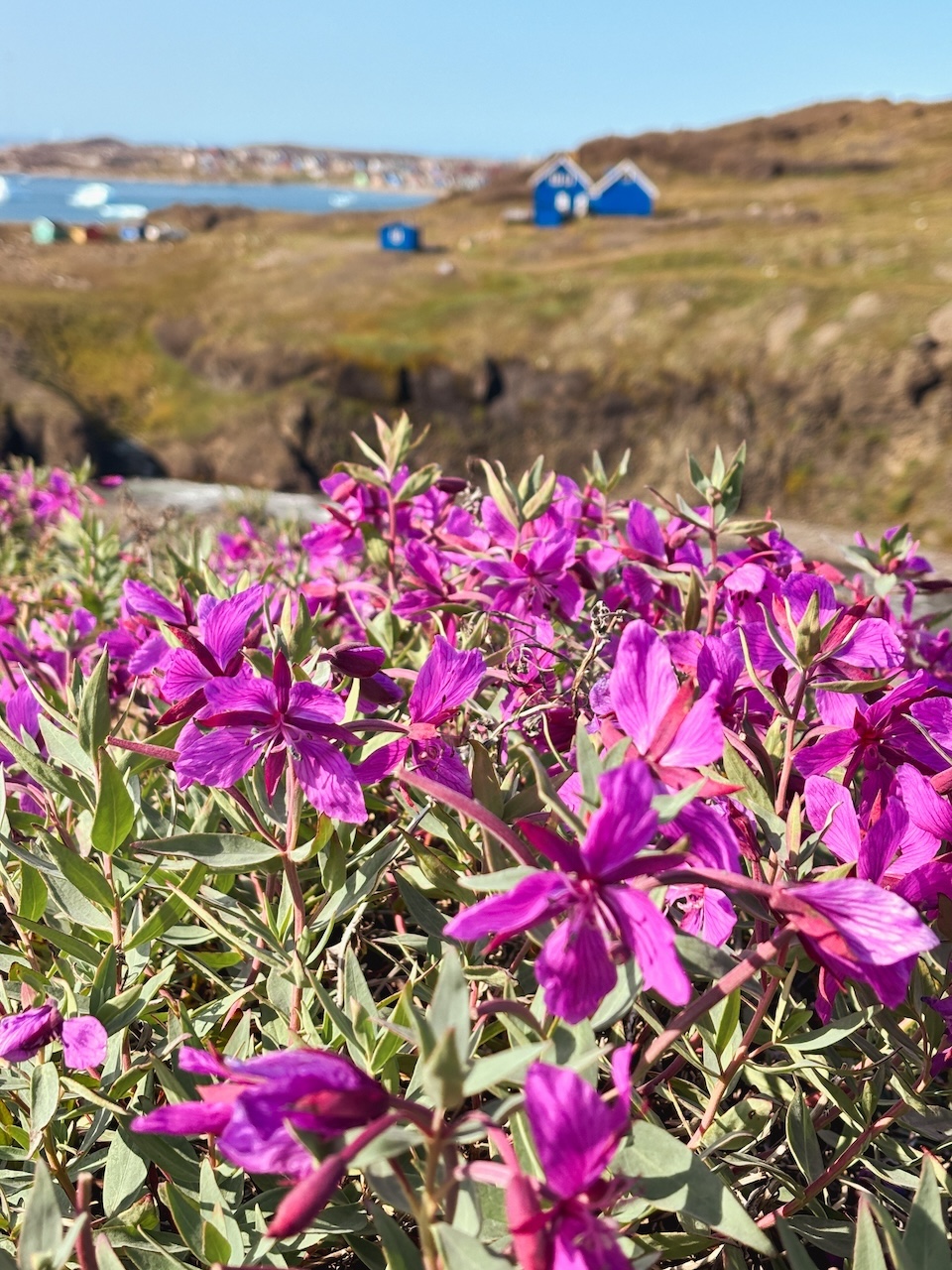
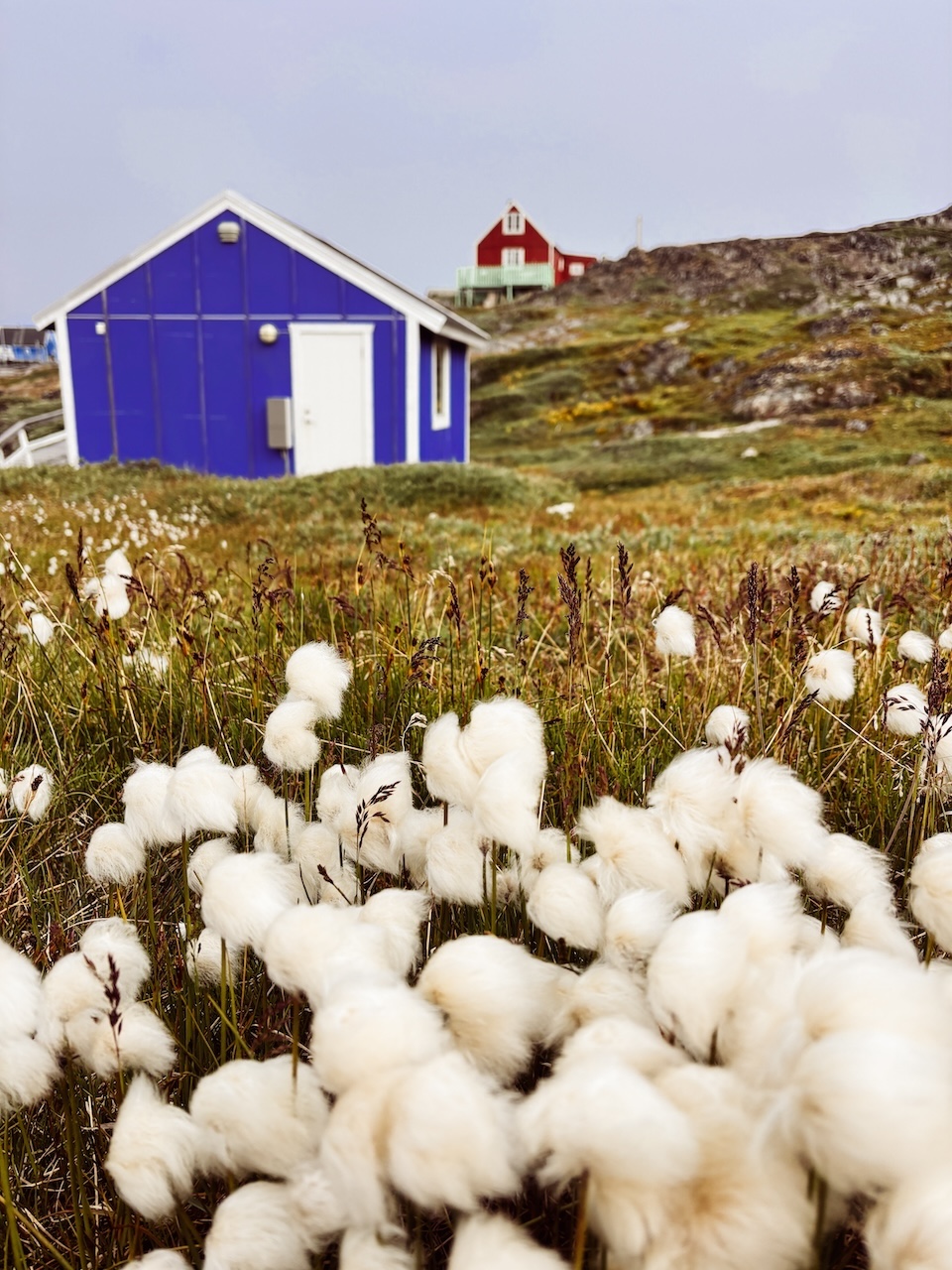
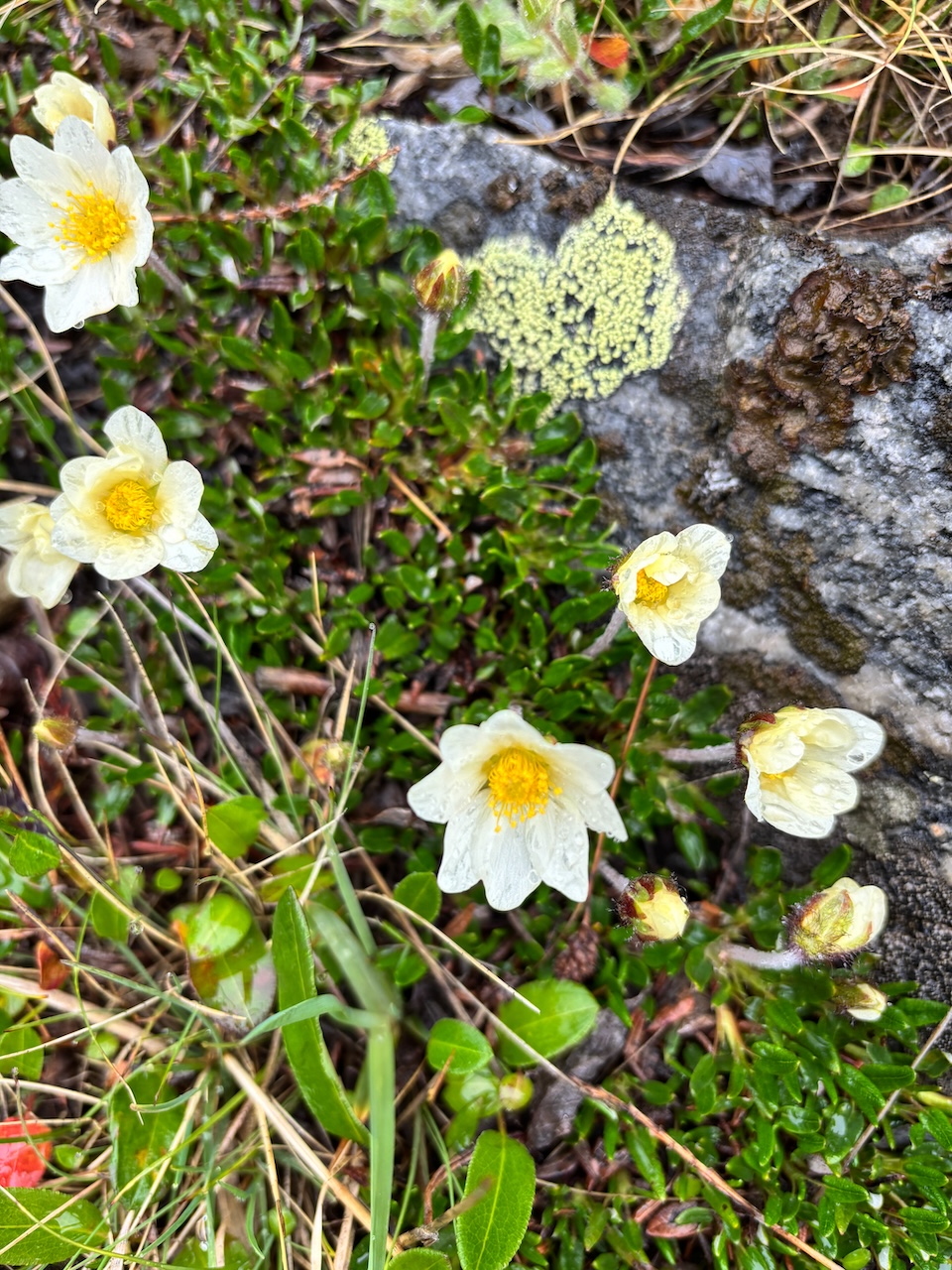
It may come as a surprise that Greenland is home to more than 500 species of flowering plants, including yellow poppies, cottongrass, and dwarf fireweed—nearly half of which can be found on Disko Island. During the brief summer months, these blooms emerge across the rugged granite landscape, where Arctic tundra dominates, mosses, lichens, and low-growing shrubs blanket the ground. During my visit in late July/early August, we caught the tail end of the season, when flowers were still in bloom, making our hike along the shores of Disko Island spectacular.
Approximately two-thirds of Greenland’s landmass sits above the Arctic Circle
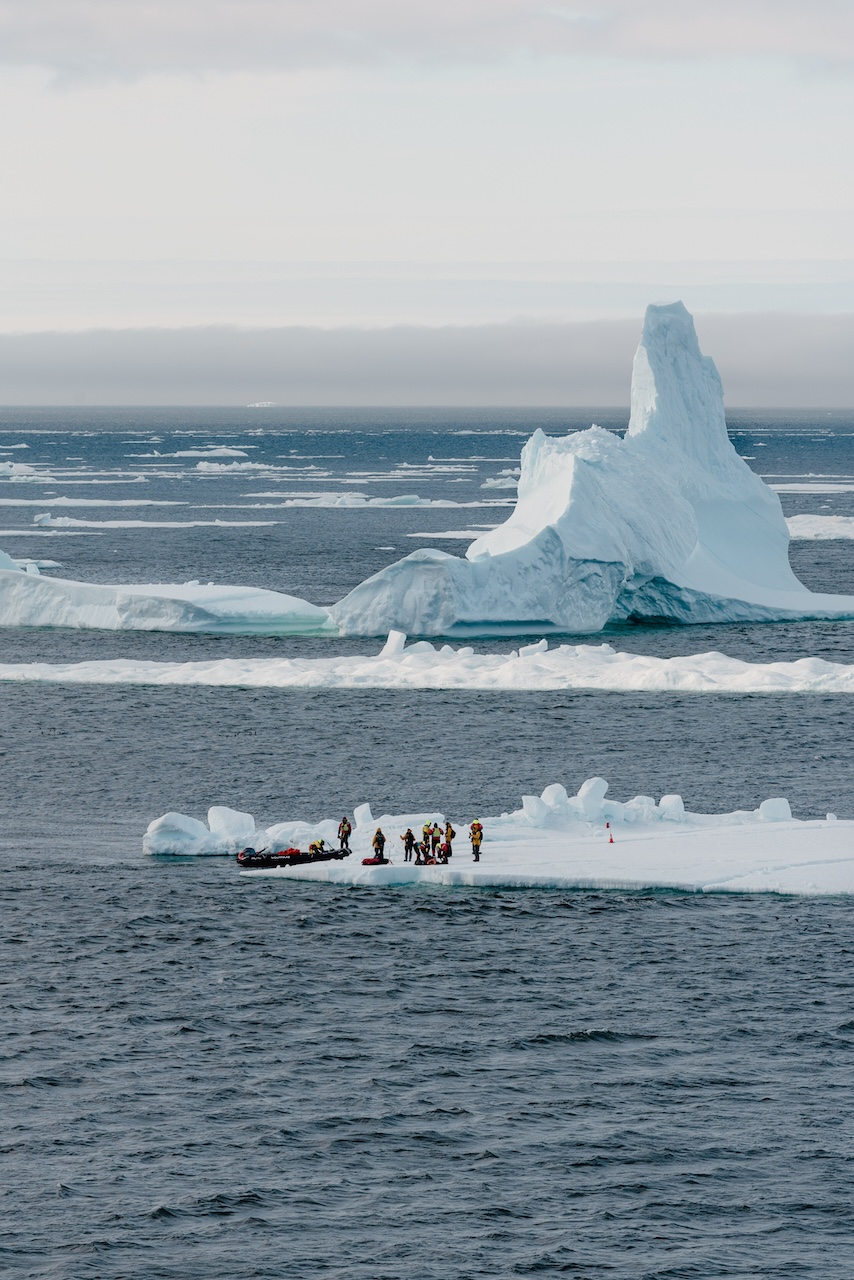
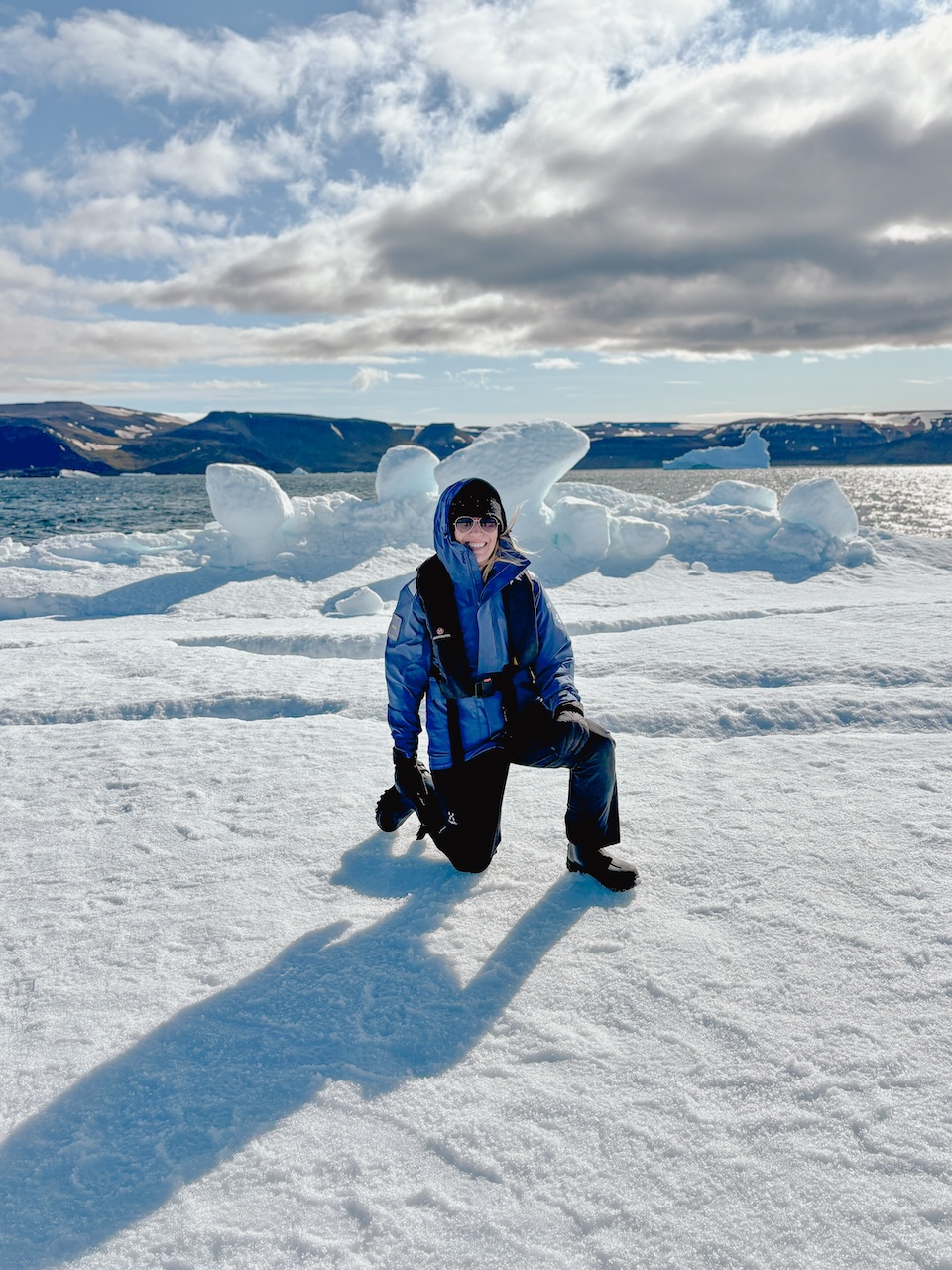
Most of Greenland lies above the Arctic Circle, with its northernmost point just 712 kilometers from the North Pole. Shaped by a largely polar climate, the region experiences the phenomenon known as the Midnight Sun, when the sun never sets in summer and never rises in winter. In Siorapaluk, Greenland’s northernmost community, this extreme rhythm of light and darkness means nearly three and a half months of total night followed by five months of continuous daylight.
Roughly 80% of the island is covered by the Greenland Ice Sheet
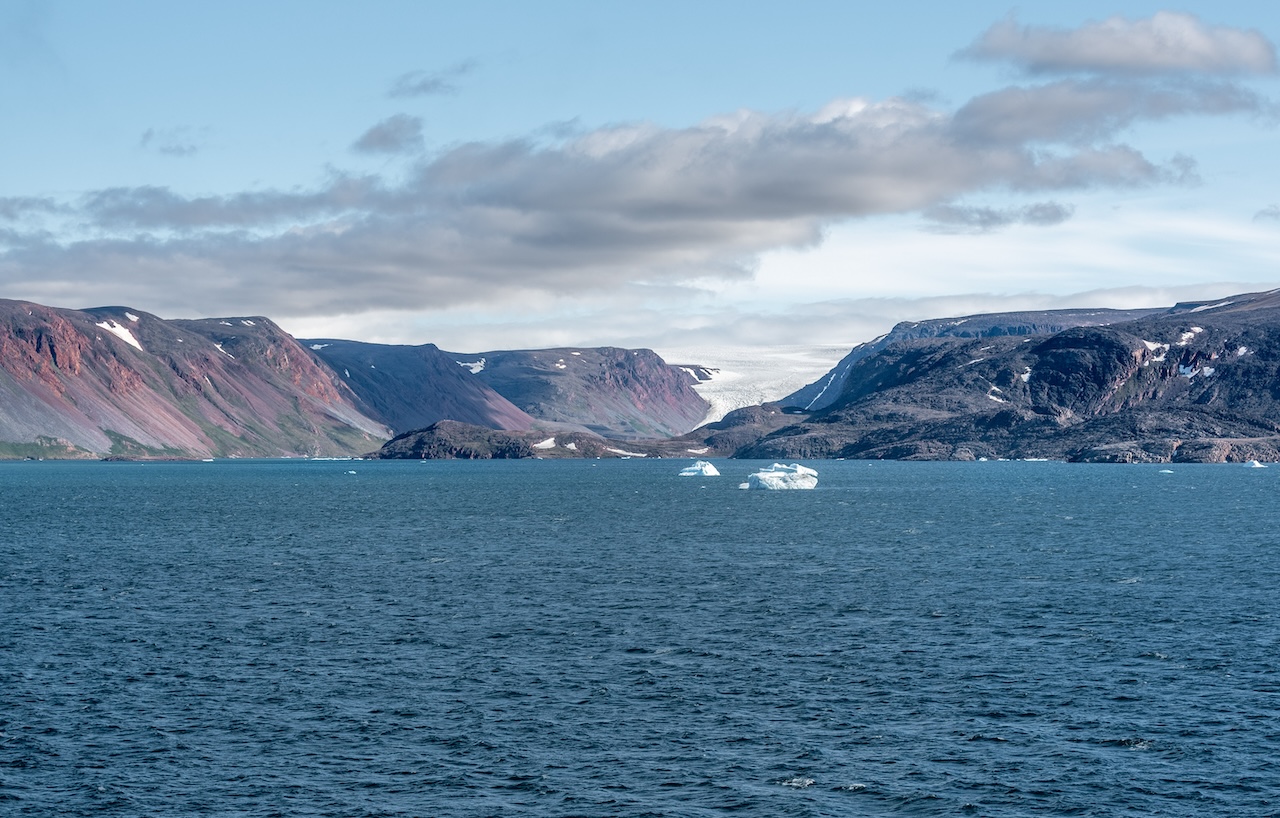
Greenland’s ice sheet is the largest glacier in the Northern Hemisphere. It holds enough water to raise sea levels by nearly 24 feet and has been losing mass due to global warming, shedding up to 280 billion tons of ice annually since 1998. In the summer months, the ice cap retreats enough to reveal its rocky shores for those looking to traverse on foot, and it is safe for expedition landings to explore ashore. The active ice sheet is constantly moving, creating massive glaciers that calve, carving icebergs that float in the nearby waters.
Greenland produces roughly 40,000 icebergs a year
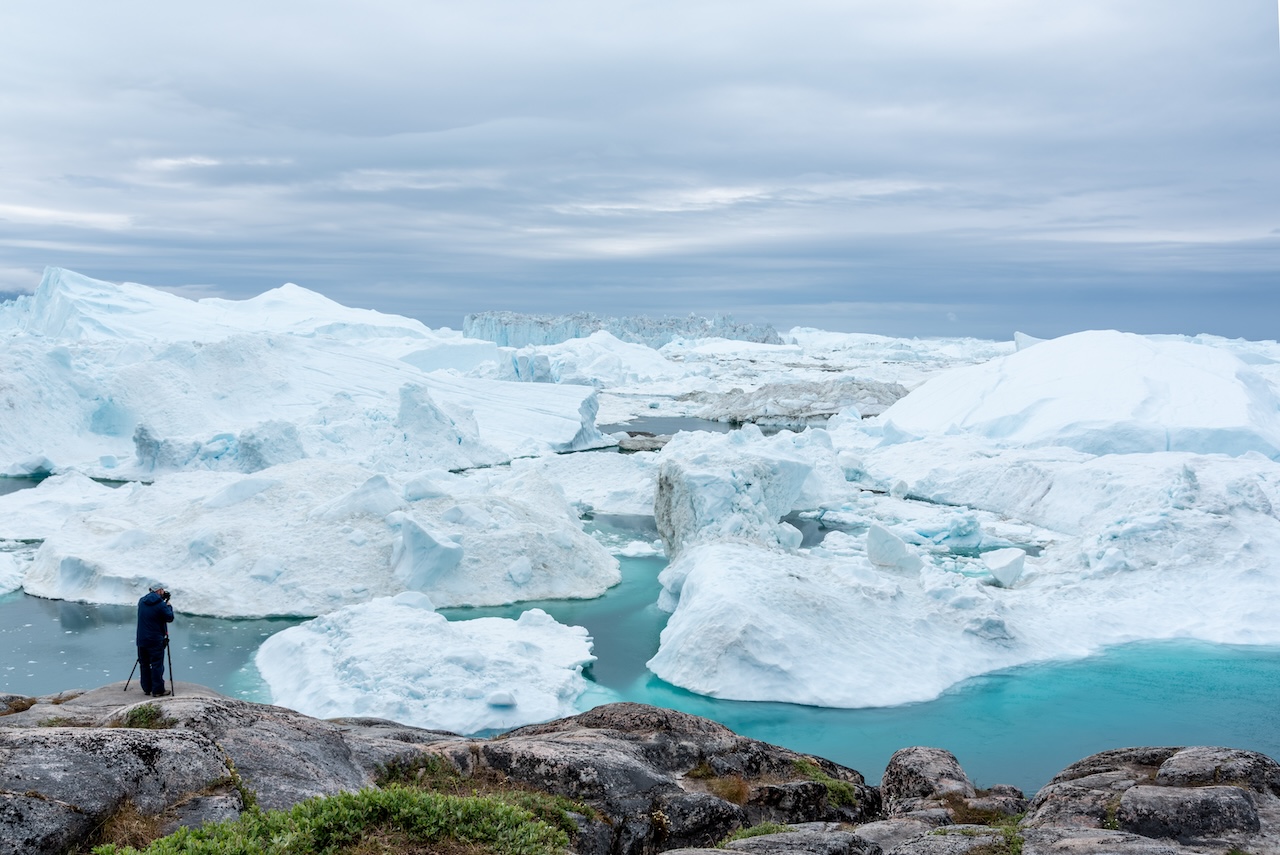
No matter the season, icebergs are as common in Greenland as the blue sky. They drift through the landscape with such regularity that HX intern Sidsel Iversen said, “To me, a sea without icebergs is not a sea.” Some reach more than 300 feet high, with nearly 90% of their mass hidden below the water’s surface, and their greatest concentration can be found in the UNESCO-protected Ilulissat Icefjord.
Greenland used to be green
One of the more surprising fun facts about Greenland is that it was once green. The name ‘Greenland’ came about after scientists discovered it was green more than 2.5 million years ago. Ancient dirt was found cryogenically frozen for millions of years underneath two miles of ice.
There are no intercity roads connecting the towns
Because the country is mostly covered in ice and rocky terrain, there are no roads connecting the communities. Transportation is either by plane, boat, water taxi, snowmobile, or dog sled.
Roughly 88% of the population is Inuit
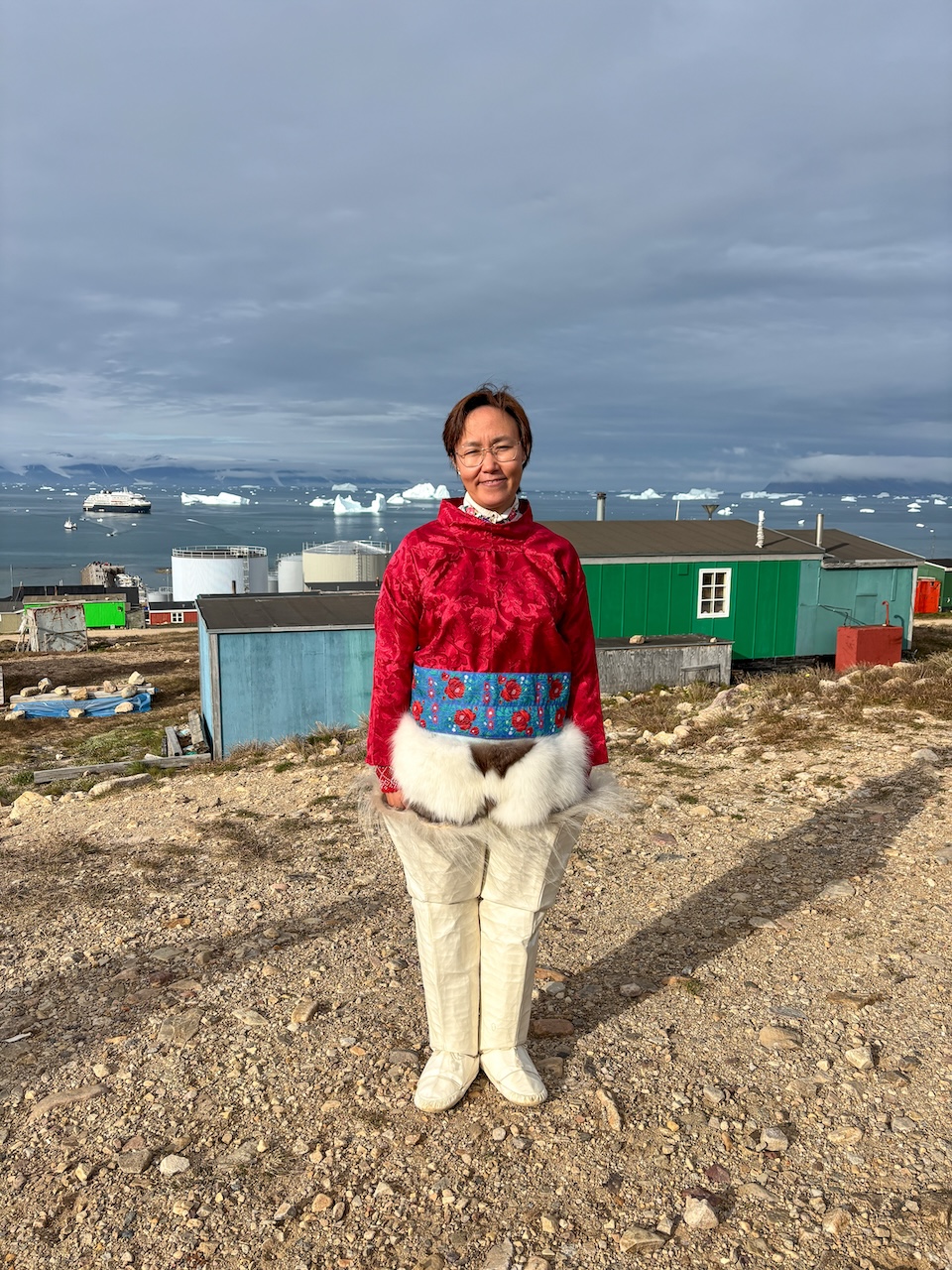
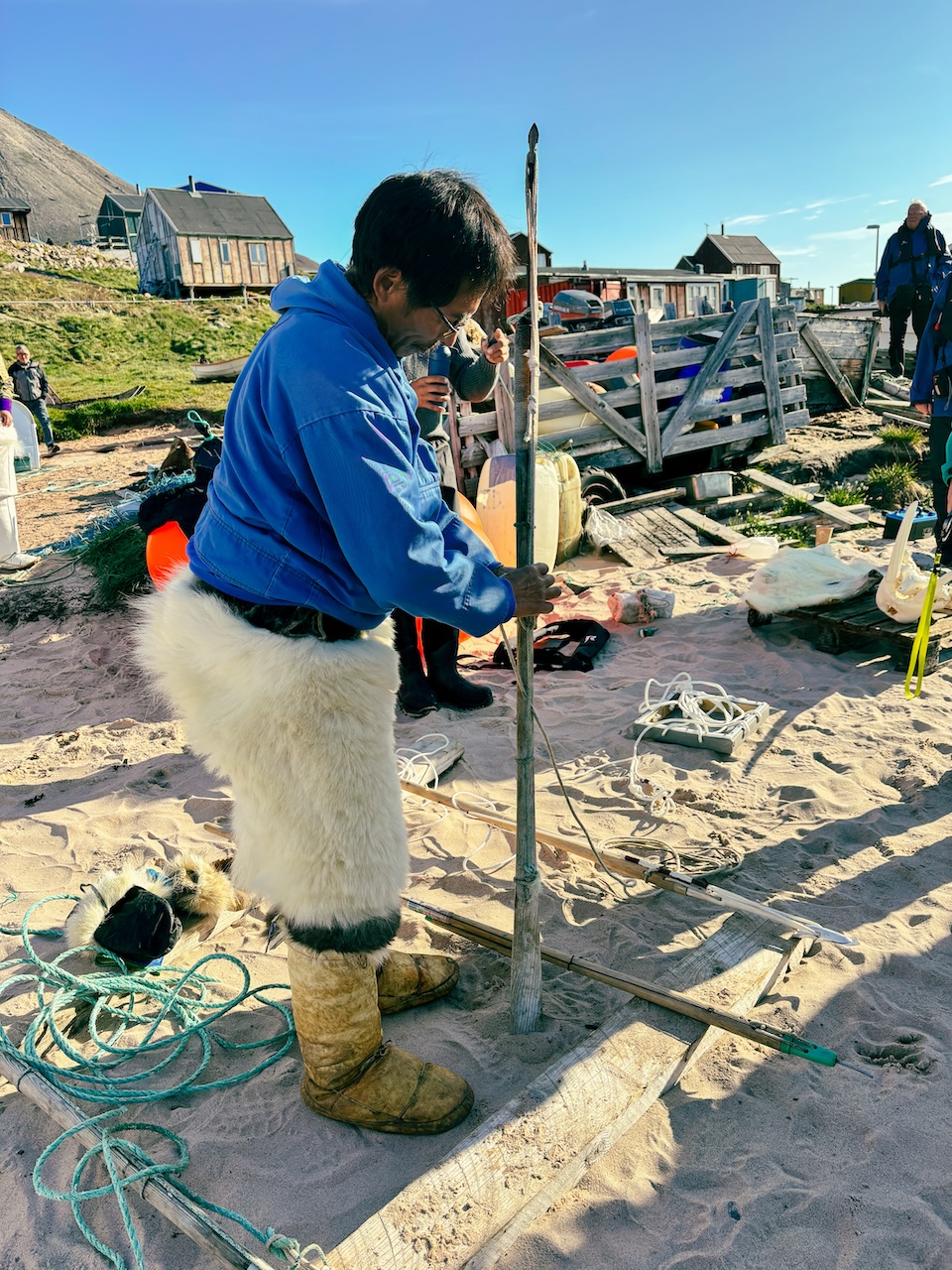
The country’s modest population of 56,000 is mostly Inuit (not ‘Eskimos’) with some Danish and English. Nuuk, the capital city, holds the country’s largest population. Most of the population lives along the country’s western shores, while its eastern shores are sparsely populated.
Whale, seal, and polar bear hunting are still a way of life
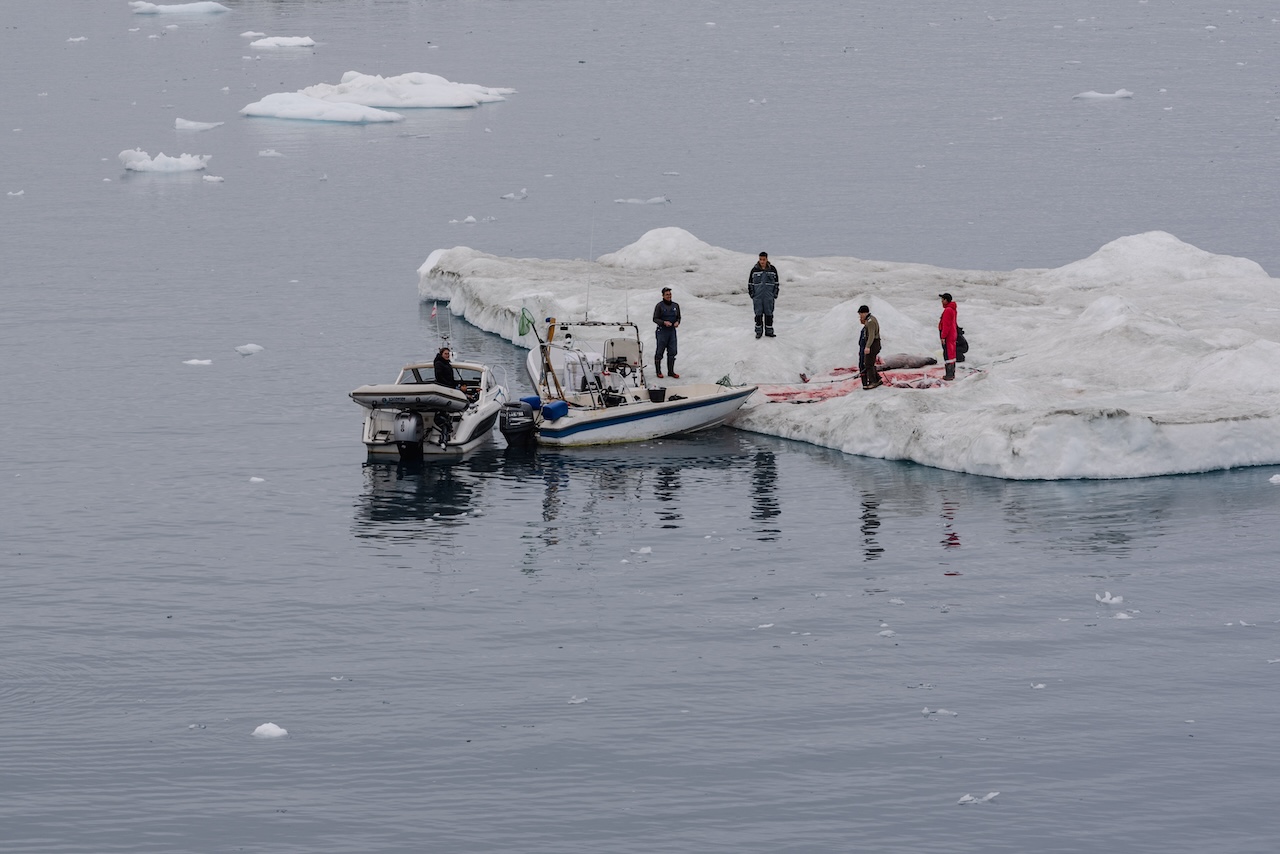
Many Inuit communities in Greenland continue to live in close relationship with the land and sea, relying on hunting seals, whales, and walruses in the frigid Arctic waters. A successful hunt is measured not by size or spectacle, but by how much nourishment it will provide for both family and dogs. In winter, dog sleds remain the preferred mode of travel for hunting on land; while snowmobiles exist, they are prone to breaking down, whereas a sled and a team of dogs are steadfast and reliable.
The kayak was invented in Greenland
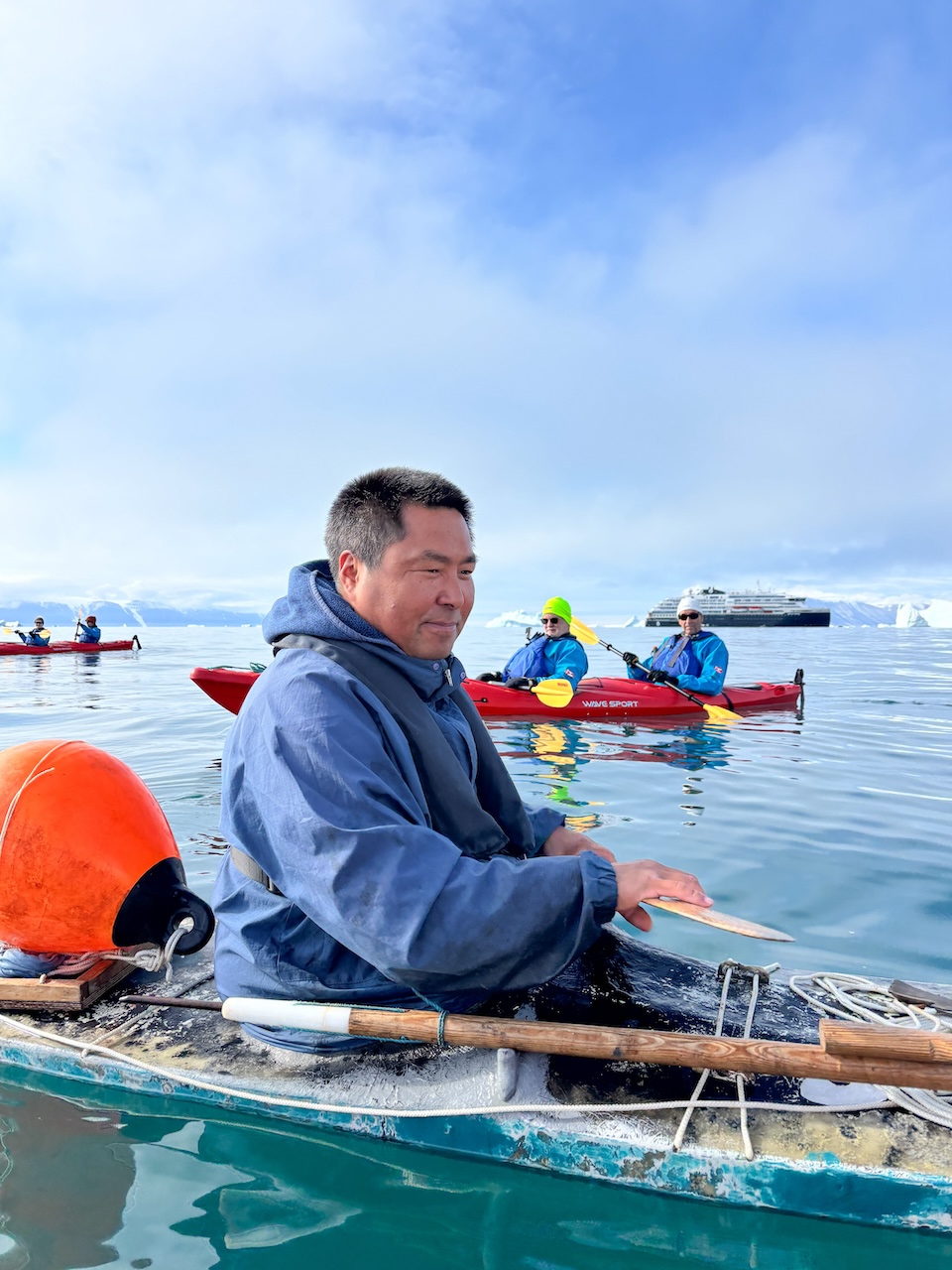
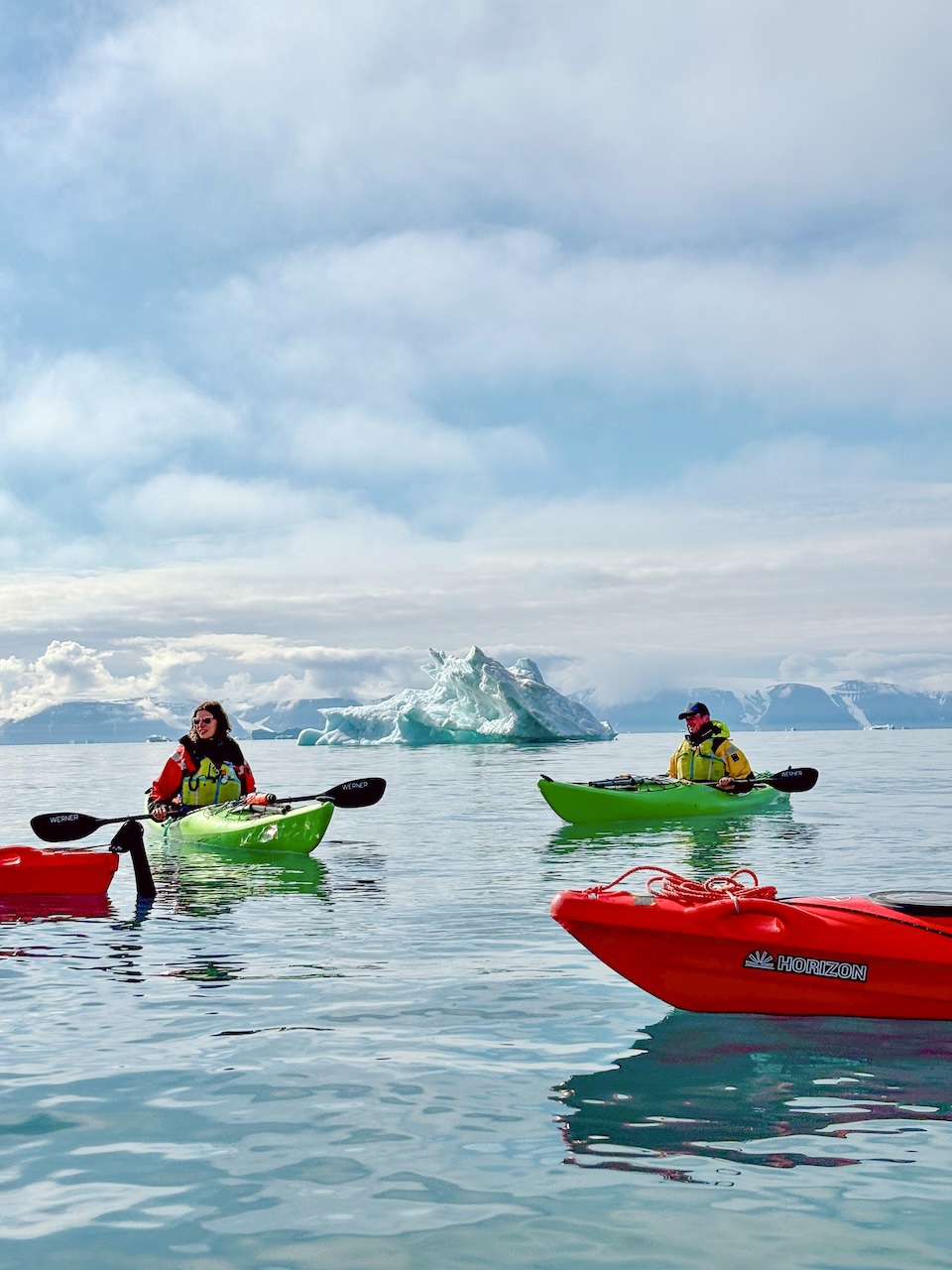
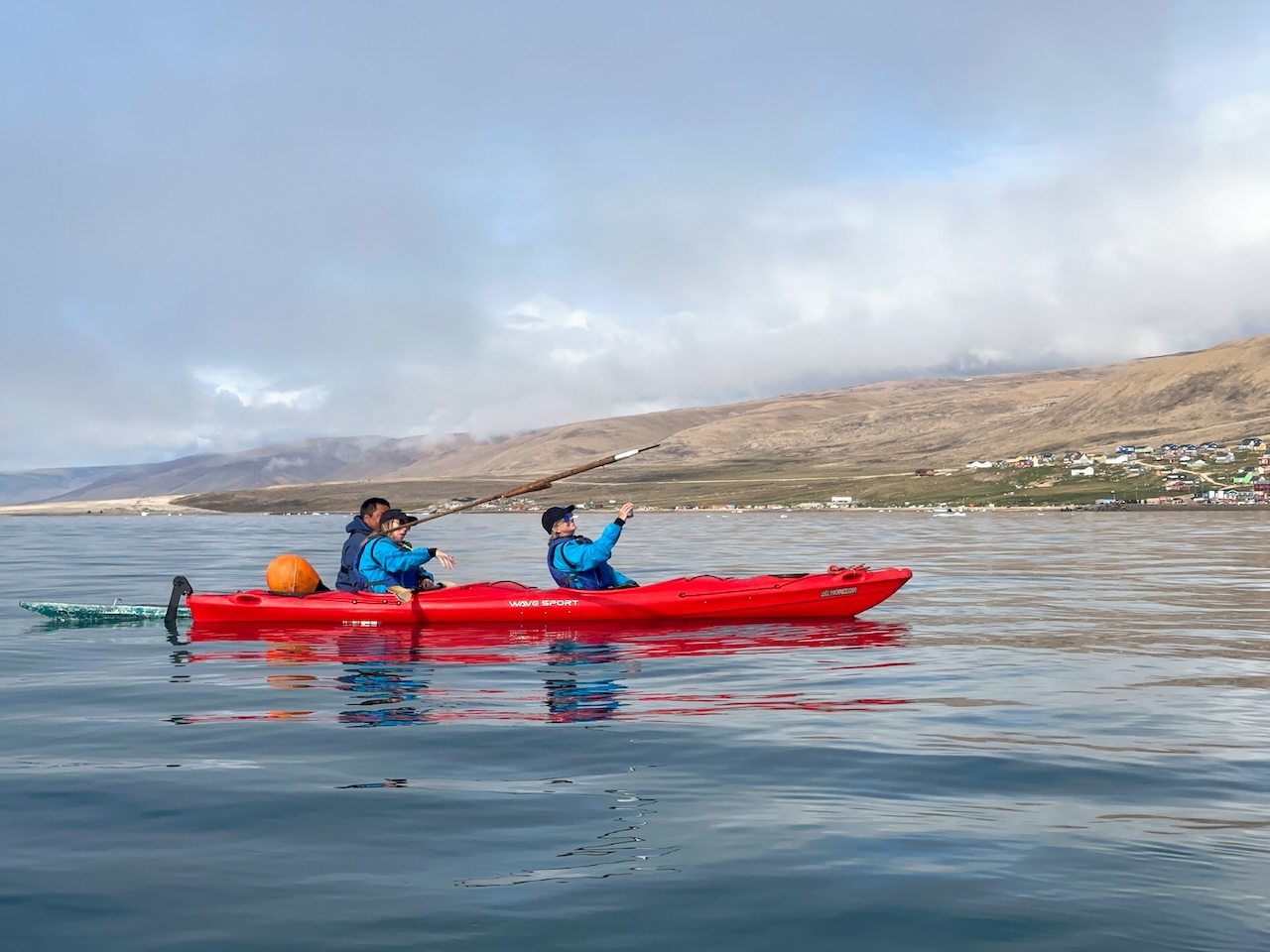
The kayak, or qajaq, was invented by the Inuit and Aleut peoples of the Arctic, including Greenland. In the northern town of Qaanaaq, we saw how kayak hunting remains part of daily life, carried out using a traditional kayak and harpoon. A local hunter demonstrated the techniques and tools used to hunt narwhal, offering us an intimate look at a traditional Inuit kayak, its construction, and the skills required to spot narwhals in these waters.
I couldn’t resist the opportunity to hold his harpoon and attempt a throw myself—an experience that quickly humbled me. Sitting low in the kayak, trying to launch such a heavy object, was far more difficult than it looked, especially the precise 180-degree spin overhead needed to position the harpoon before releasing it. Let’s just say my hunting career would be short-lived if my survival depended on it.
Greenland is home to a sled dog population of 17,000
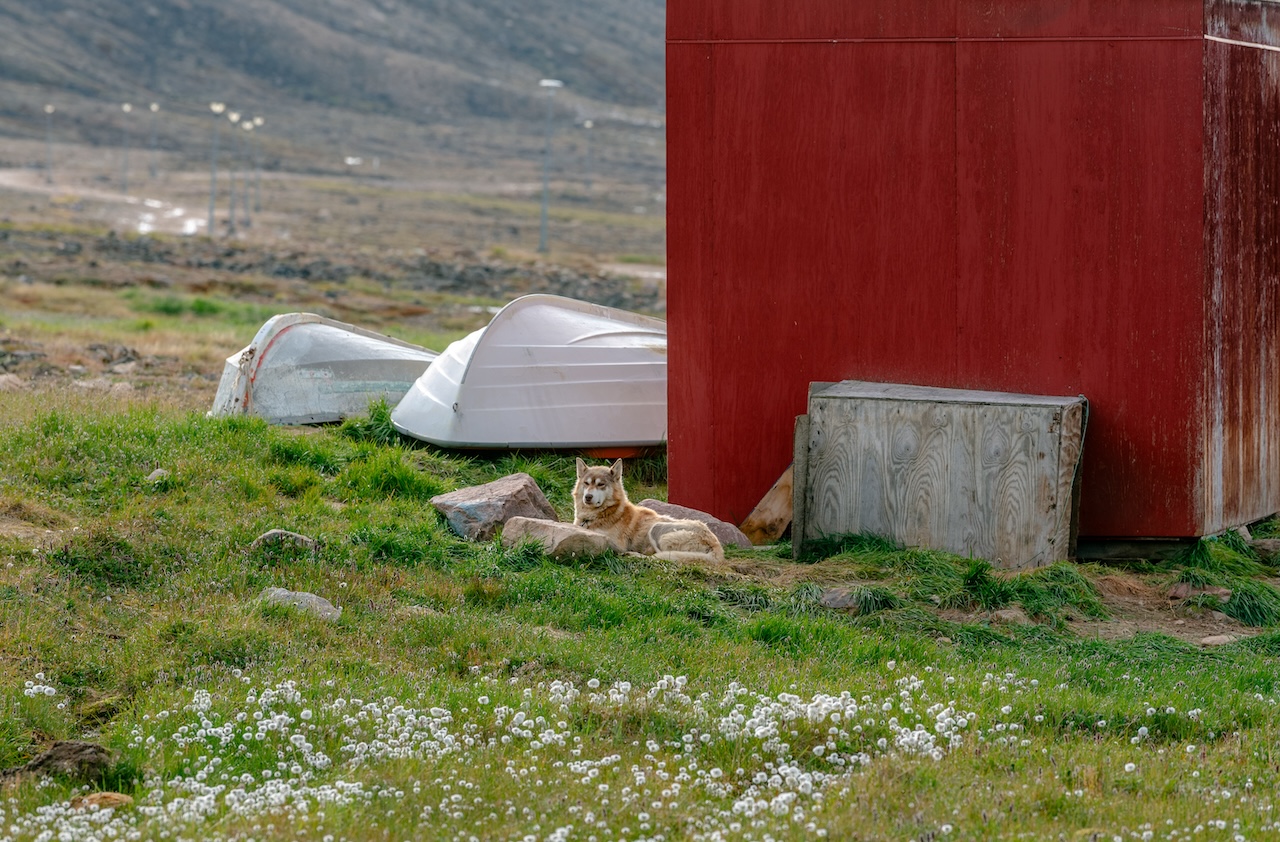
One of Greenland’s more interesting facts is that its dog population is nearly half the size of its human population. Dog sledding is woven into everyday life in Greenland, serving as a primary mode of winter transportation, with locals traveling routes that can stretch more than 70 kilometers across the ice sheet. Because of this, most families and hunters have and care for their own teams of dogs—roughly 13 dogs. These sled dogs are working animals, not pets, and we were clearly instructed not to touch or approach them. They are bred for strength and endurance, focused solely on the job at hand, and can be aggressive if treated otherwise.
Greenlandic dogs are said to be one of the world’s purest breeds, though it’s more accurate to call them among the oldest and most isolated. Strict regulations and Greenland’s geographic remoteness have limited crossbreeding, allowing the dogs’ lineage—and their deep connection to Inuit sledding culture—to remain largely unchanged over centuries. To preserve this heritage, Greenland enforces a clear divide: above the Arctic Circle, only purebred Greenlandic dogs are permitted, while below it, dogs are kept solely as pets.
*All photography by Jessica Hughes.