Uncovering and rediscovering the world’s largest underground city of Cappadocia – Derinkuyu.
I have always been fascinated with the idea that there is an entire other world living beneath us. During my recent visit to the Cappadocia region of Turkey, I toured the world’s largest underground city, Derinkuyu. While my main reason for visiting was to take a balloon ride in Cappadocia, visiting Derinkuyu was one of the highlights of my trip.
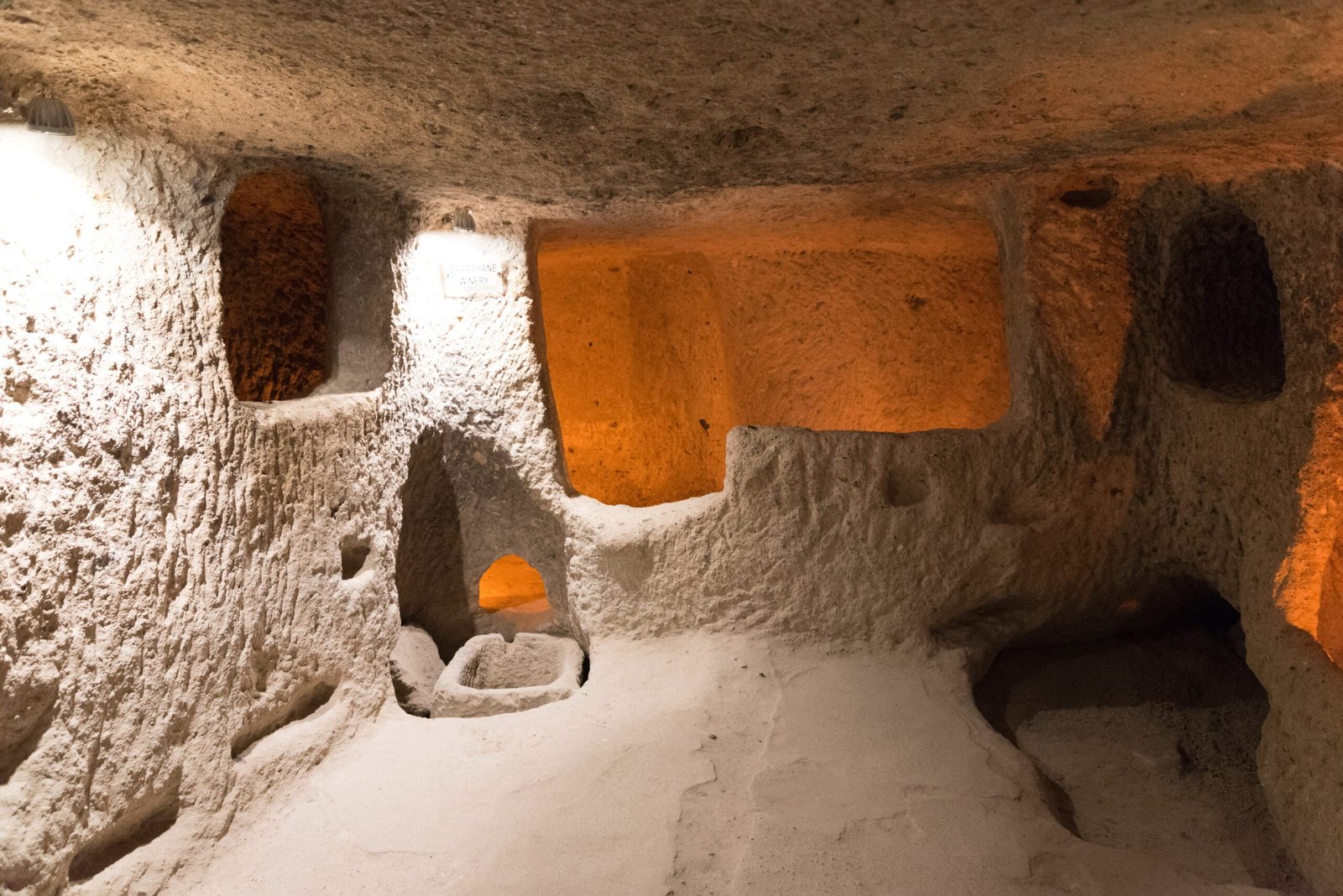
The 18-level underground city dates back to its original construction around 1200 BCE. The ancient city was once named Elengubu but is now called Derinkuyu. Today, you can roam the tunnels and walk amongst subterranean rooms, a winery, stables, schools, and a chapel – all of which are underground.
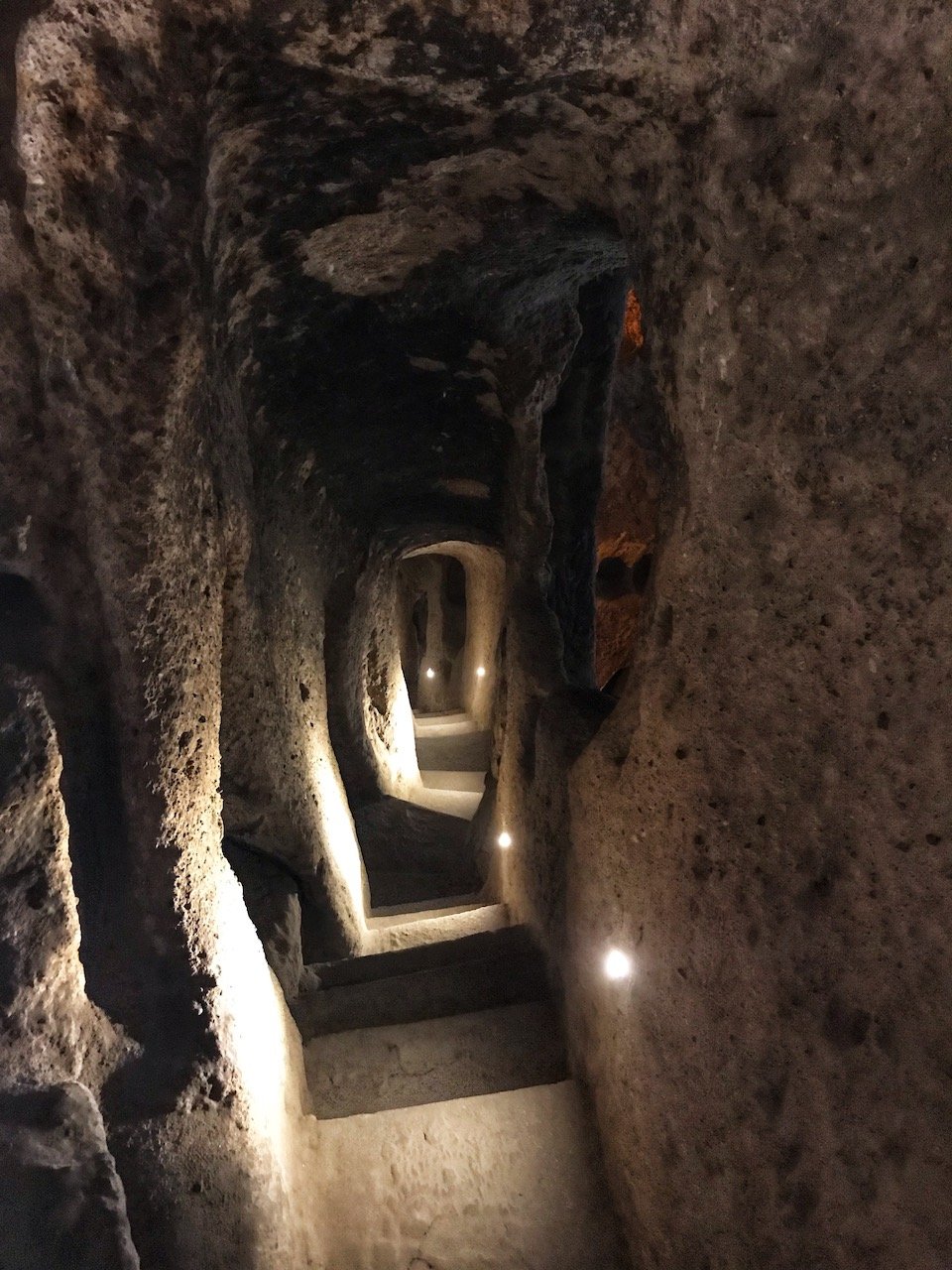
The city’s 18 floors extend to a depth of 280 ft. below ground. Its space was large enough to house up to 20,000 people at one time. The upper levels were mainly used as living spaces, while the lower levels were used mainly for storage.
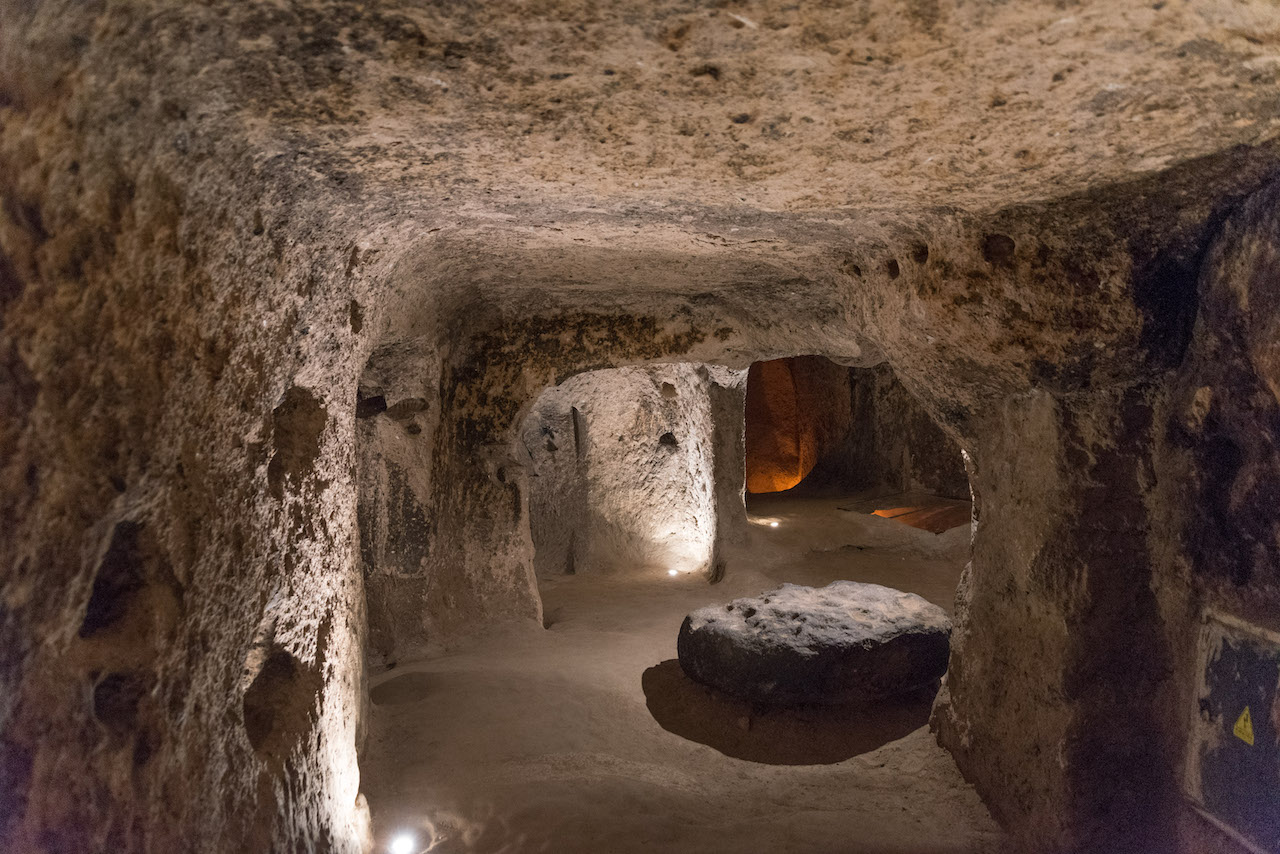
So why was the underground city of Cappadocia built? This still remains a mystery. But most theorize that it was likely built for protection against enemies. It is thought that the Hittites, leaders of the Bronze Age, built the city’s first few levels to protect themselves from attacks. Over many centuries, the city was rebuilt and used repeatedly for protection against invasions and persecution. Even up to as late as the 20th century, locals would use the city to escape persecution. The tunnels were abandoned in 1923 and weren’t rediscovered until 1963, when a local Turk was excavating his house and found them. A few years later, the site was opened to visitors, with nearly half of the city accessible.
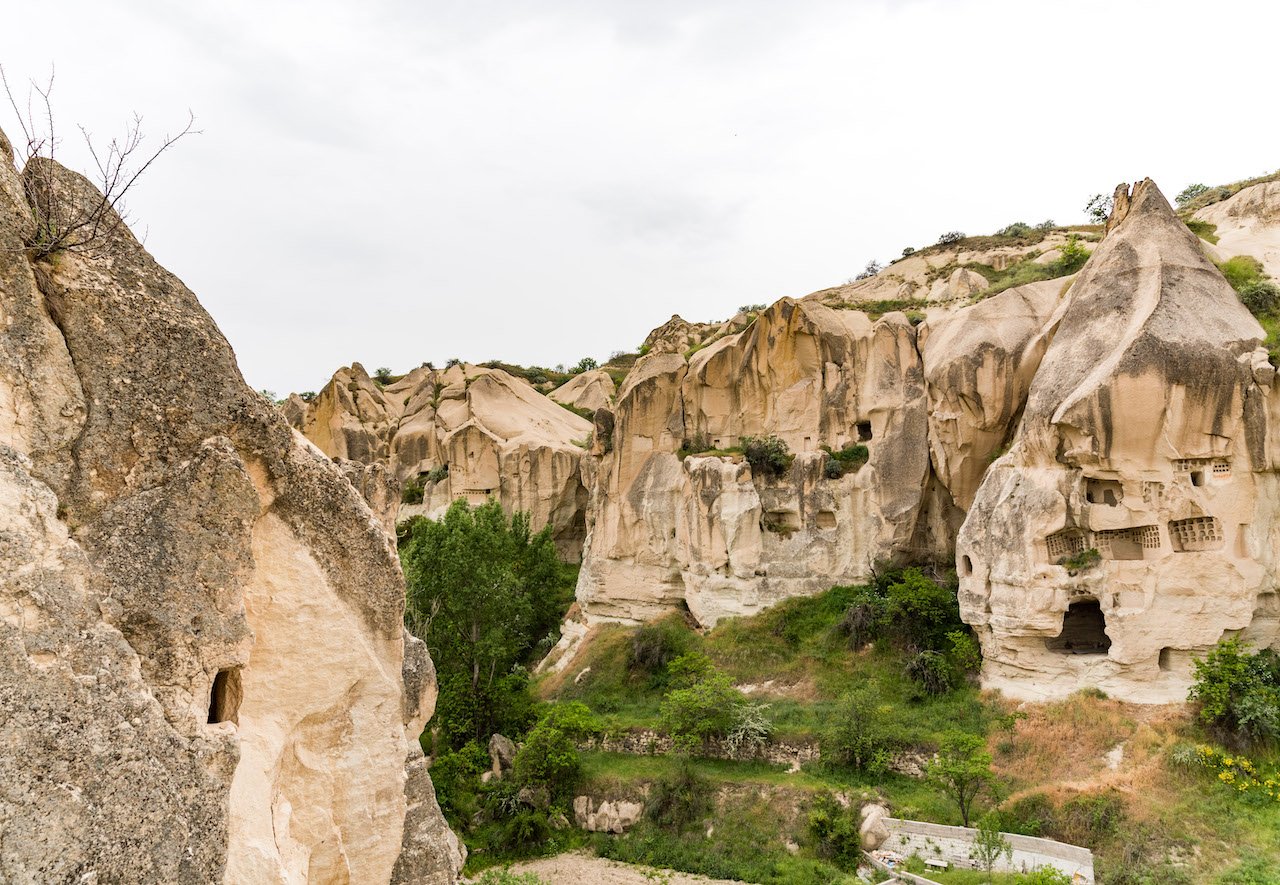
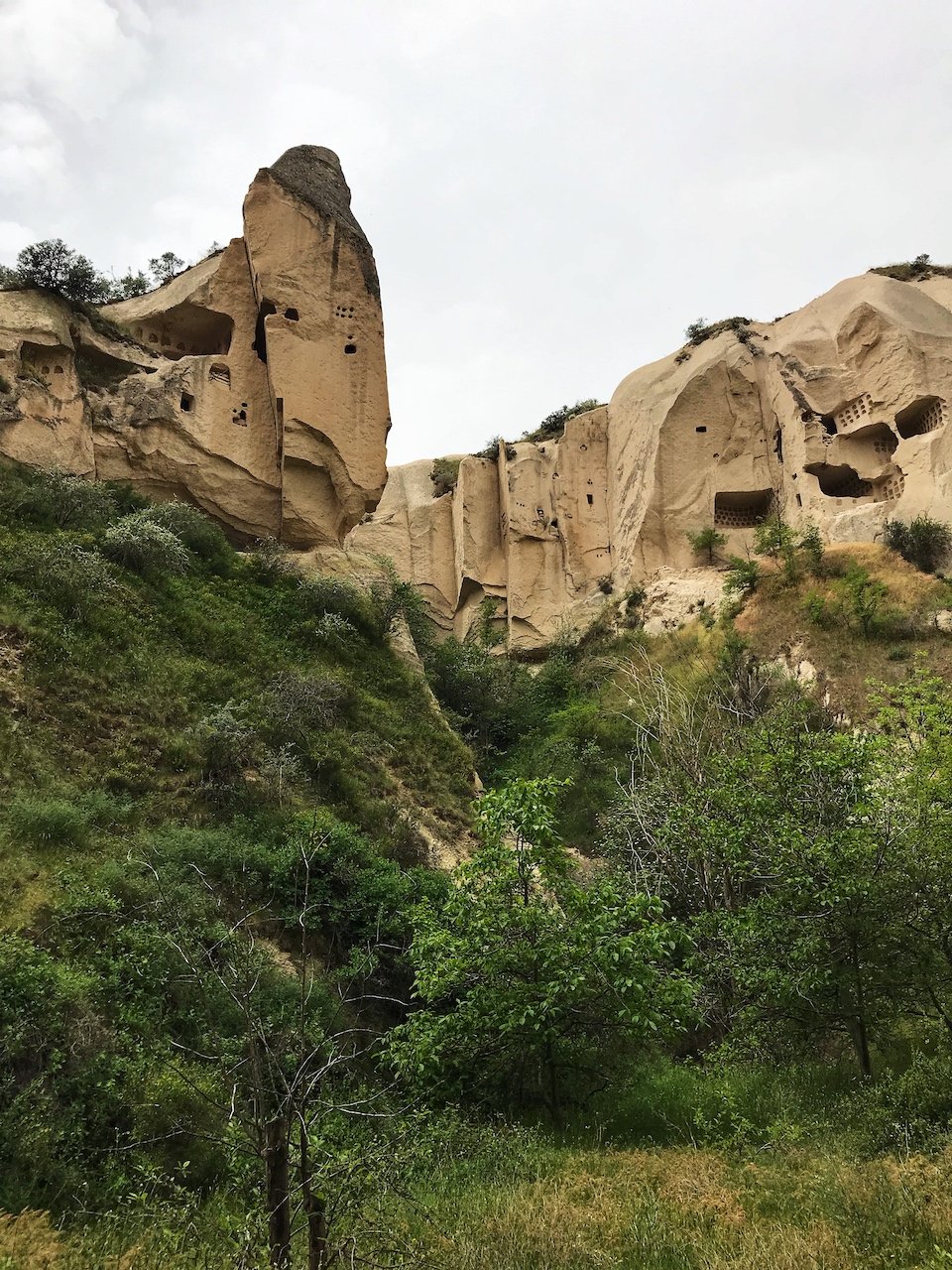
The semi-arid landscape of Cappadocia is conducive to soil that is easily malleable and to rock surfaces that are easily molded. You can see this throughout the terrain’s unique cragginess, with its so-called chimney fairies and hoodoos. These tall structures that dot the landscape are a result of erosion over thousands of years.
Three volcanoes – Mount Hassan, Mount Erciyes, and Mount Melendiz – created the region millions of years ago. The rock type found in the region is composed of volcanic ash from these volcanoes. Because of this, locals have been carving out dwellings, storage rooms, temples, and more for hundreds of years. There is evidence of this at almost every corner you turn.
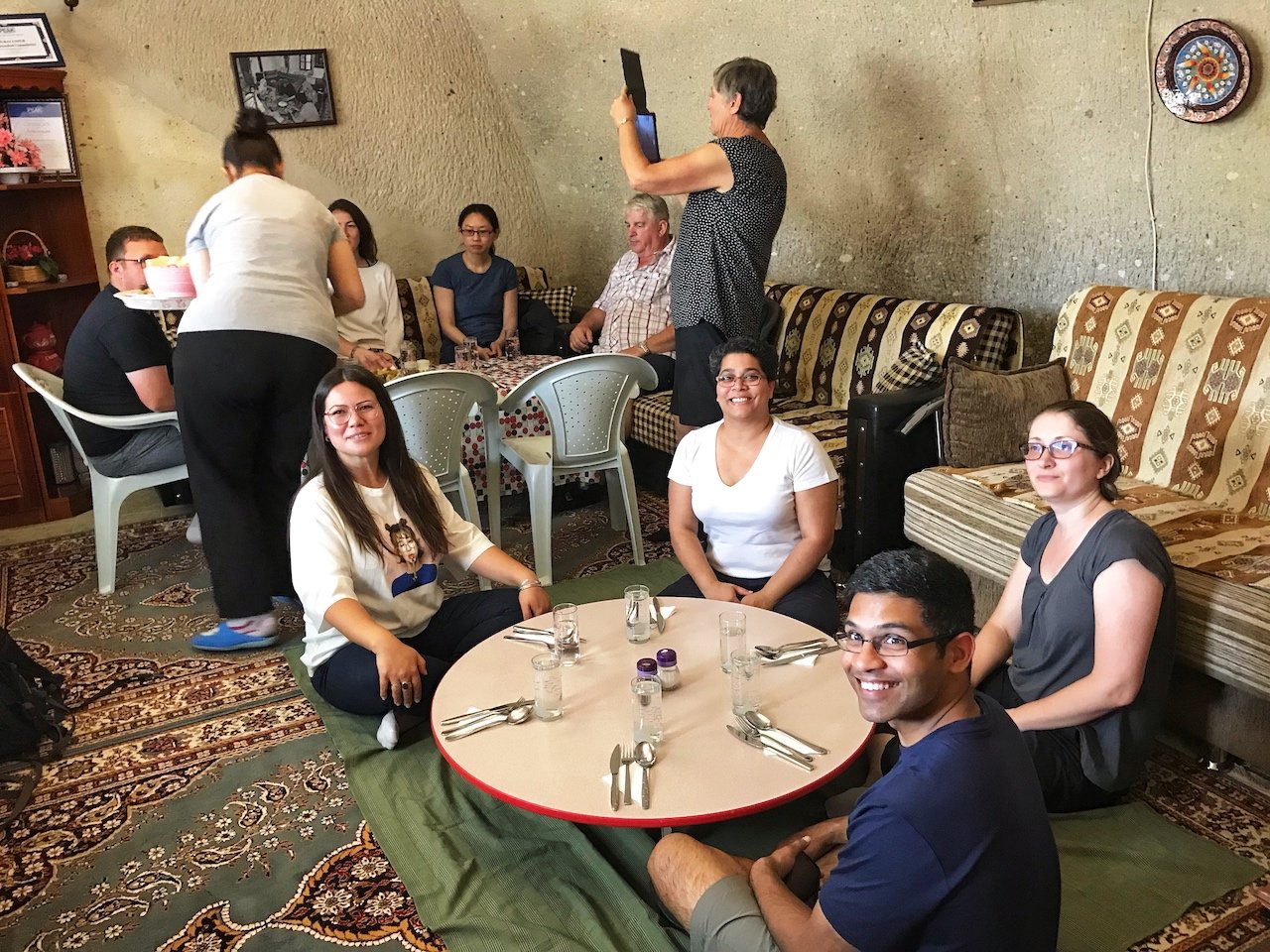
My tour group and I even got to eat inside one of the local homes that are partially built underground. You can see the tough rock walls that surround this woman’s living room.
To experience more of this unique landscape, be sure to also visit the Göreme Open-Air Museum and hike through Pigeon Valley. You can do all this and more with day tours of Cappadocia.
While the underground city of Cappadocia is no longer an undiscovered destination as it is one of the most popular tourist attractions in Turkey, it’s a true under-the-radar destination you should add to your bucket list. Today, for 60 Turkish lira (about $2), visitors can descend into this subterranean world and experience life underground. Or sign up for a tour to learn even more about this underground destination.
*All images by Jessica Hughes and are subject to copyright.